
What happens in-between CITES CoPs
EAZA representatives Danny de Man and Simon Bruslund joined the 34th meeting of the CITES Animals Committee and report back.
EAZA at the CITES Animals Committee meeting: Bringing our expertise to global wildlife trade discussions
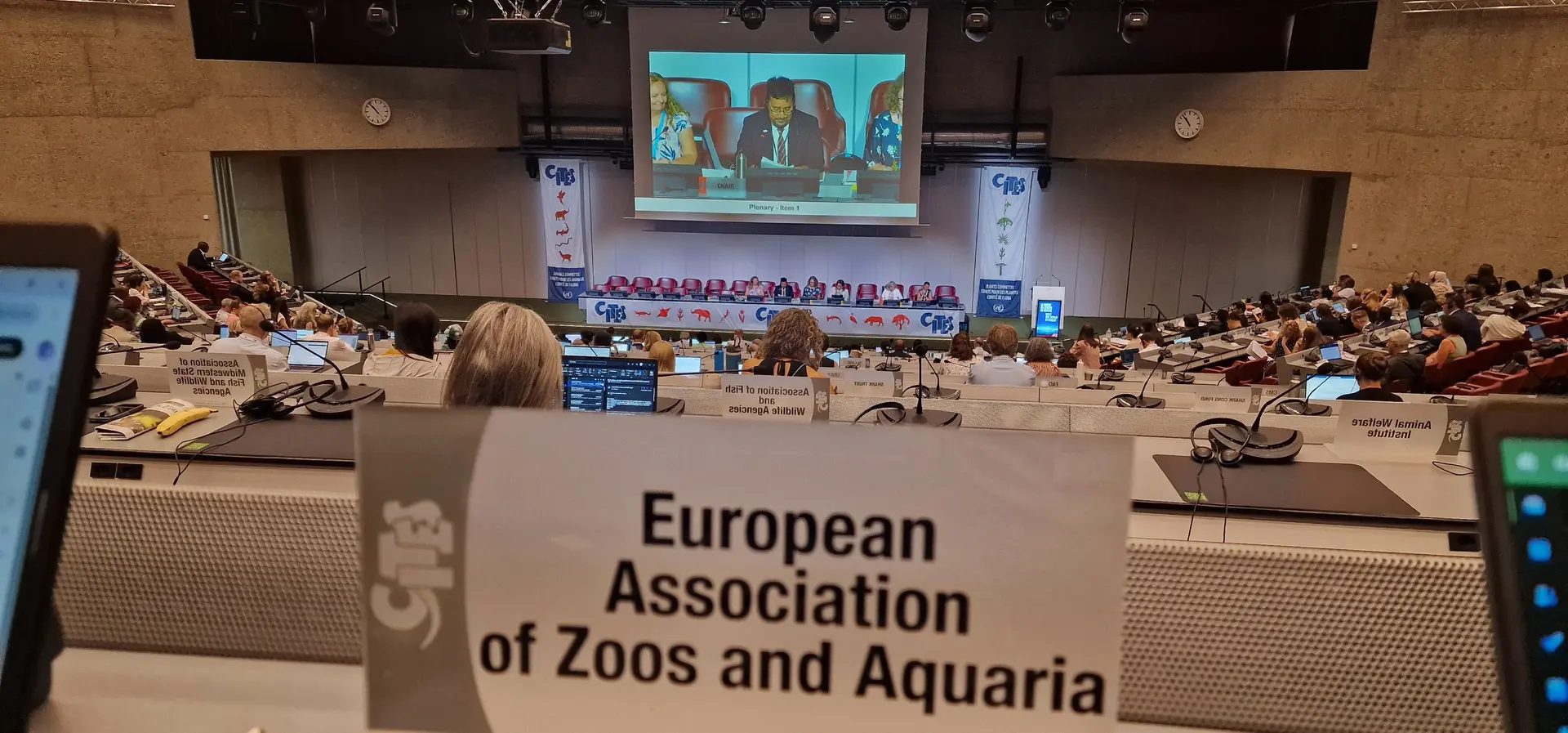
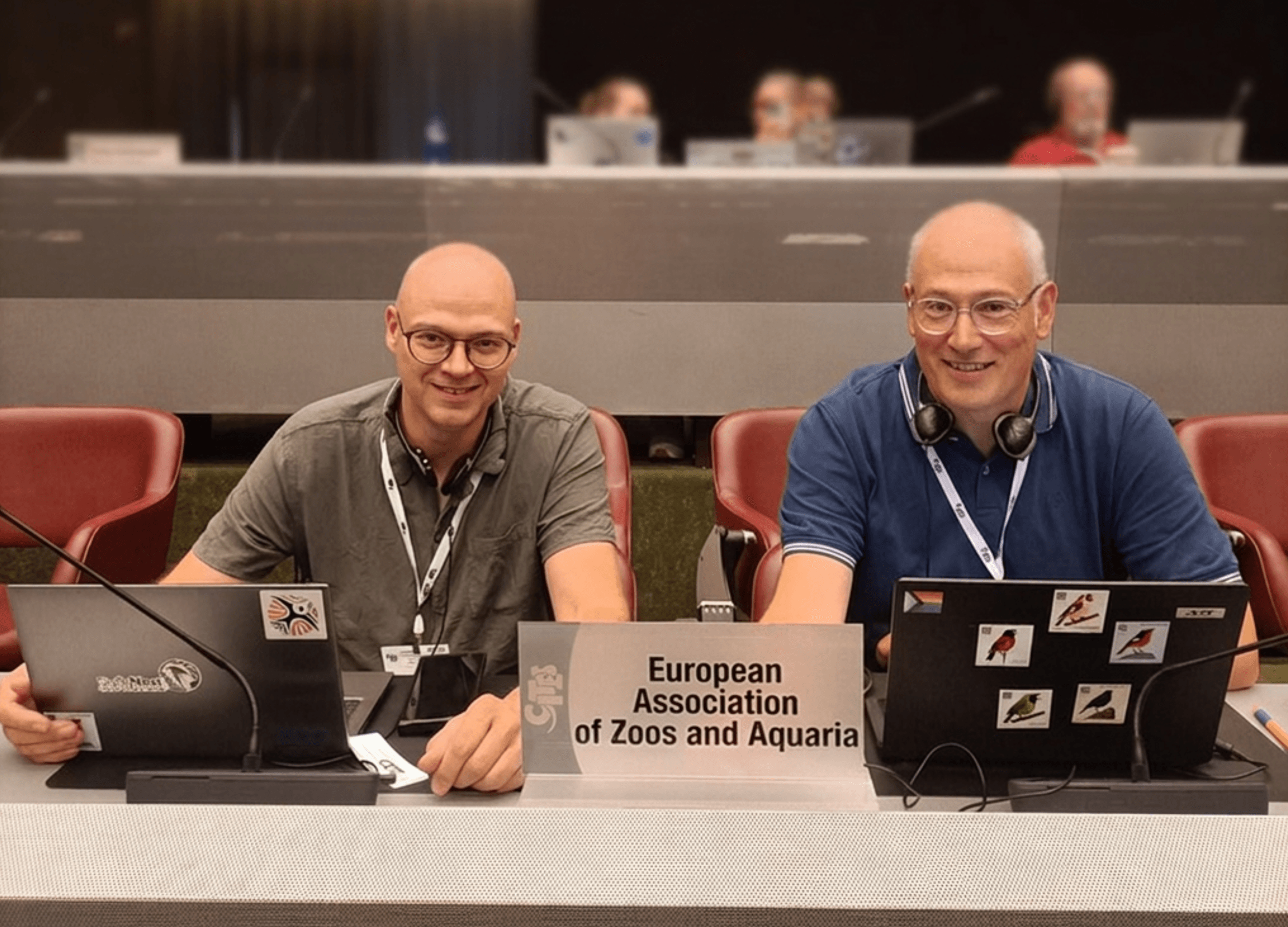
Earlier this month, Simon Bruslund (EAZA Conservation Committee Chair) and Danny de Man (EAZA Deputy Director) attended the 34th meeting of the CITES Animals Committee in Geneva, Switzerland. The meeting brought together over 400 government representatives, experts from many NGOs and other stakeholders to advance the scientific work needed to support the implementation of decisions made at previous Conferences of the Parties (CoPs) ahead of the next edition in 2028.
Combatting unsustainable and illegal wildlife trade is a priority for EAZA. Our participation in these meetings is an important opportunity to ensure that decisions affecting wildlife trade are informed by scientific expertise, practical husbandry knowledge and conservation experience from the zoo and aquarium community.
A major focus of the meeting was the “Review of Significant Trade” and the “Review of Trade in Animals Reported as Captive-bred”. Based on analyses of trade data from the last five years done by UNEP-WCMC, these processes identify 12 and 20 “species/country” combinations, respectively, where there may be concerns about whether trade is legal, sustainable and traceable. The CITES Secretariat will reach out to the respective countries to take a closer look into the selected combinations, and propose follow up measures as appropriate.
EAZA participated in the two in-session working groups and was pleased to see sharks and coral species, among others, getting attention as part of the “Review of Significant Trade”. Furthermore, EAZA also supported species that were reported as “captive bred” and sourced from Syria, DRC and Venezuela and imported by India making it to the “Review of Trade in Animals Reported as Captive-bred”.
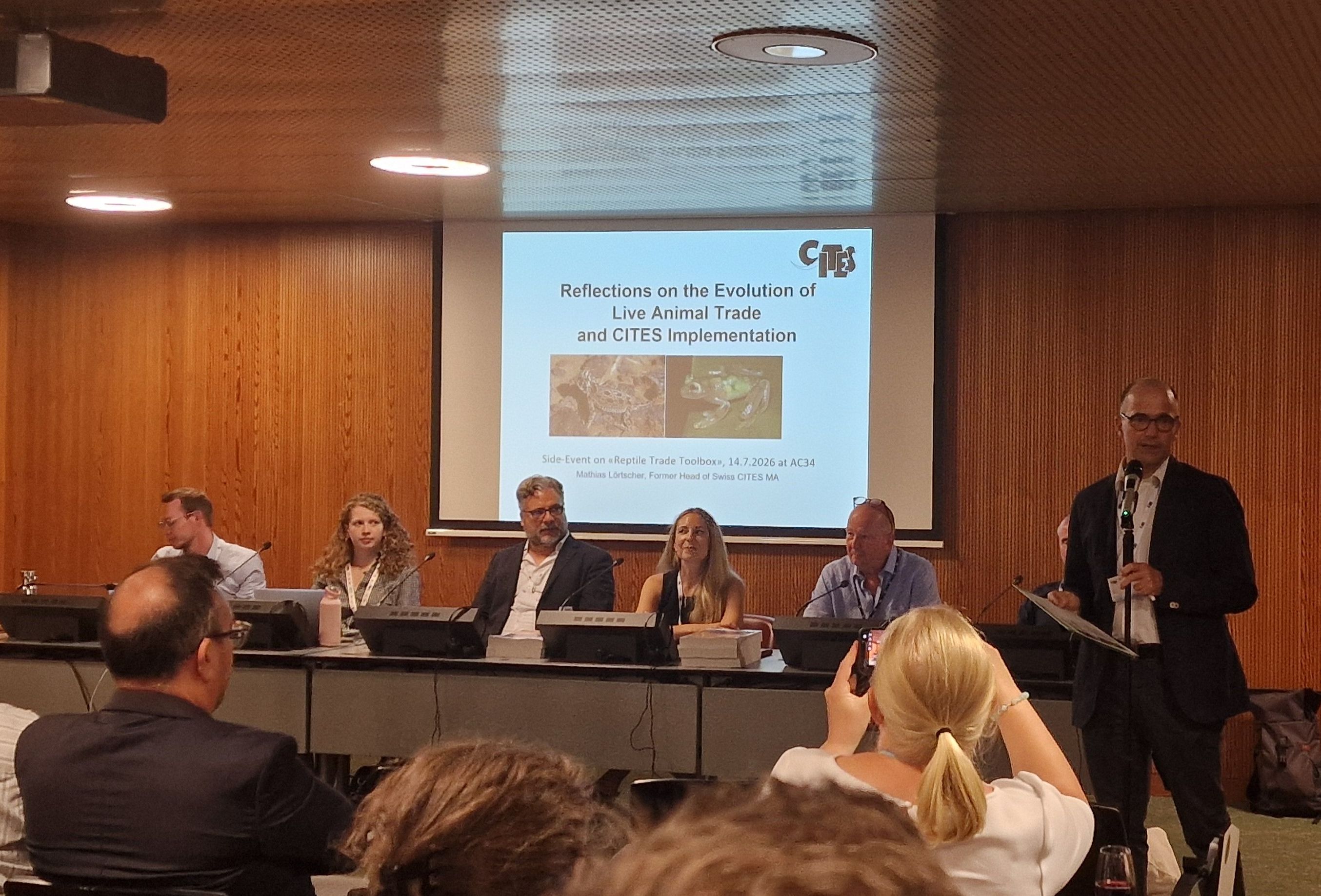
Throughout the meeting, EAZA strengthened its role as a scientific partner within the CITES process by joining several intersessional working groups.
These include work on:
- Amphibian conservation, focusing on trade monitoring,
- Identification materials for CITES-listed species,
- Review of coded microchip guidance for marking live animals in trade, where the expertise of zoo associations was particularly recognised and welcomed,
- Updated guidance on Non-Detriment Findings (NDFs), which help determine whether trade is likely to be sustainable and therefore does not harm the wild population.
The involvement of EAZA specialists ensures that practical knowledge from zoological institutions contributes to international decision-making and implementation.


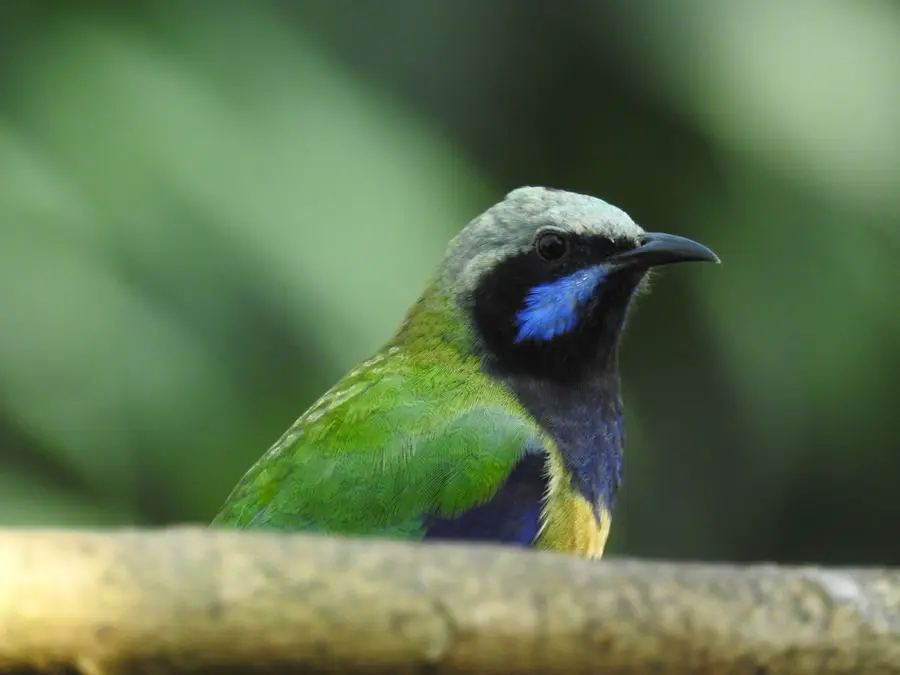


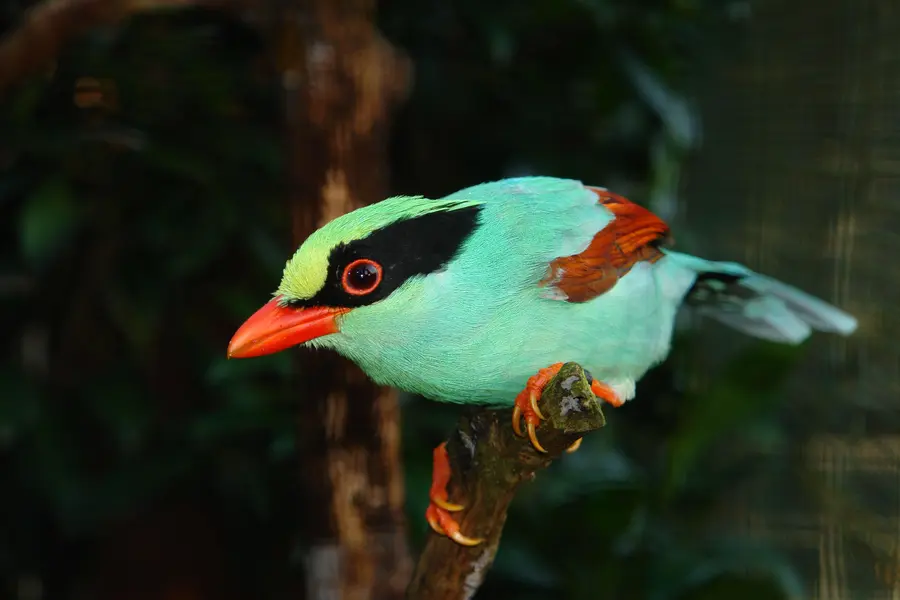


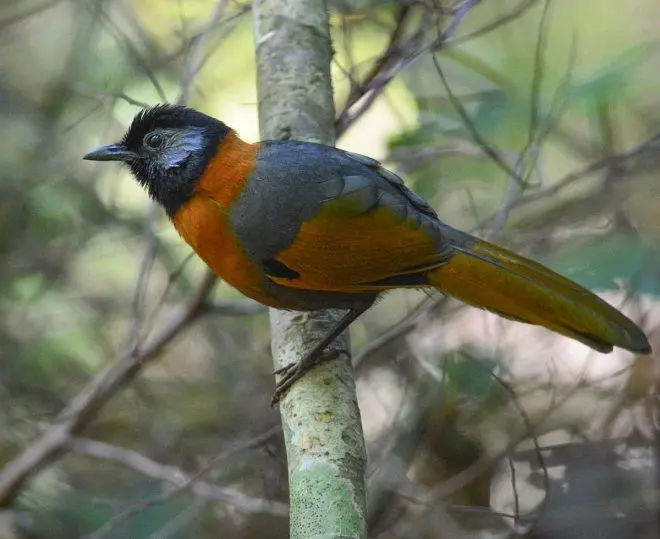
Songbird conservation remained a major key EAZA priority
Alongside this, EAZA together with Birdlife International convened a meeting of the informal “Friends of Songbirds” coalition, bringing together organisations including, WWF, IFAW, AZA, Monitor, Center for Biological Diversity, IUCN, TRAFFIC, WCS and others. Discussions focused on efforts to secure a couple dozen additional CITES listings for threatened songbird species in trade at the next two CoPs. The meeting provided valuable opportunities to engage with governments and regional representatives from both range- and consumer countries - and important step forward towards strengthening international protection for threatened songbirds!
Through informal discussions, EAZA also caught up with colleagues from other stakeholders including from PASA, Stichting AAP and BNA Germany.
Combatting illegal wildlife trade is a priority for EAZA, and we bring important expertise that supporting the implementation of the convention. In addition to supporting field conservation efforts, EAZA Members manage the ex situ populations of hundreds of protected species whose non-commercial movements are regulated under CITES.
By actively participating in CITES meetings and working
groups, EAZA helps ensure that wildlife trade decisions are based on sound science and practical expertise, ultimately supporting the legal, sustainable and ethical trade, as well as the conservation of species worldwide.
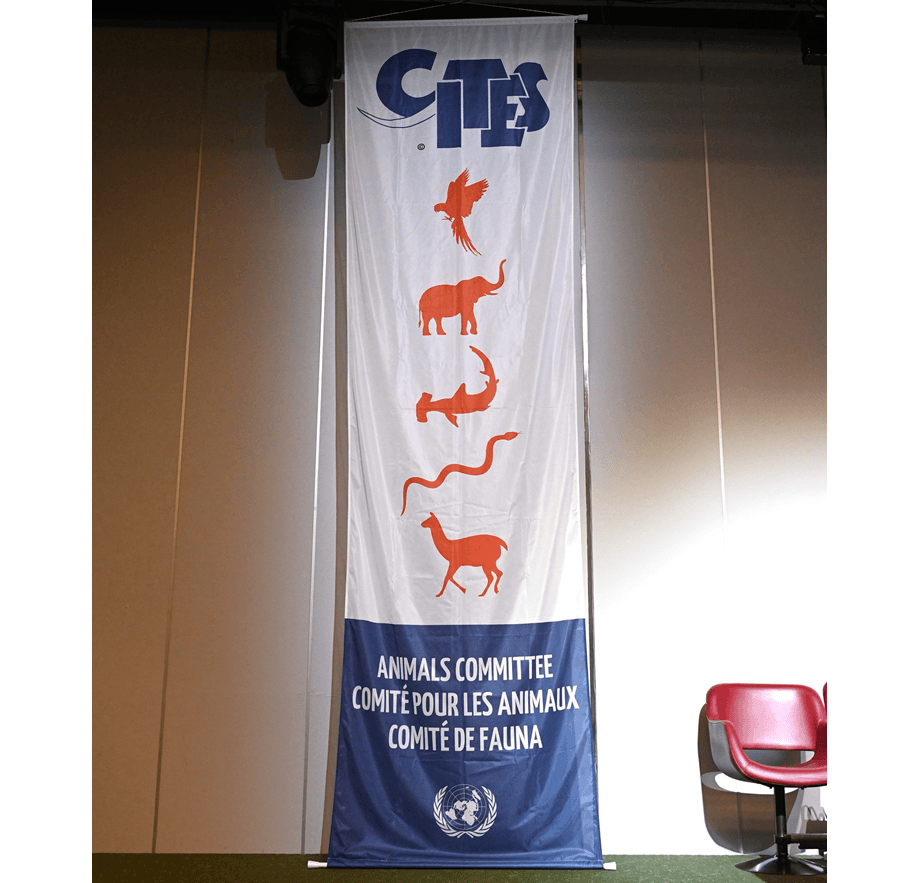
Pictures: all © Simon Bruslund, except Simon and Danny © EAZA, Collared laughingthrush © Koji Tagi, and flag © CITES Secretariat
Blog post by Danny de Man and Sandrine Camus, 28 July 2026