
EAZA at the CITES CoP20
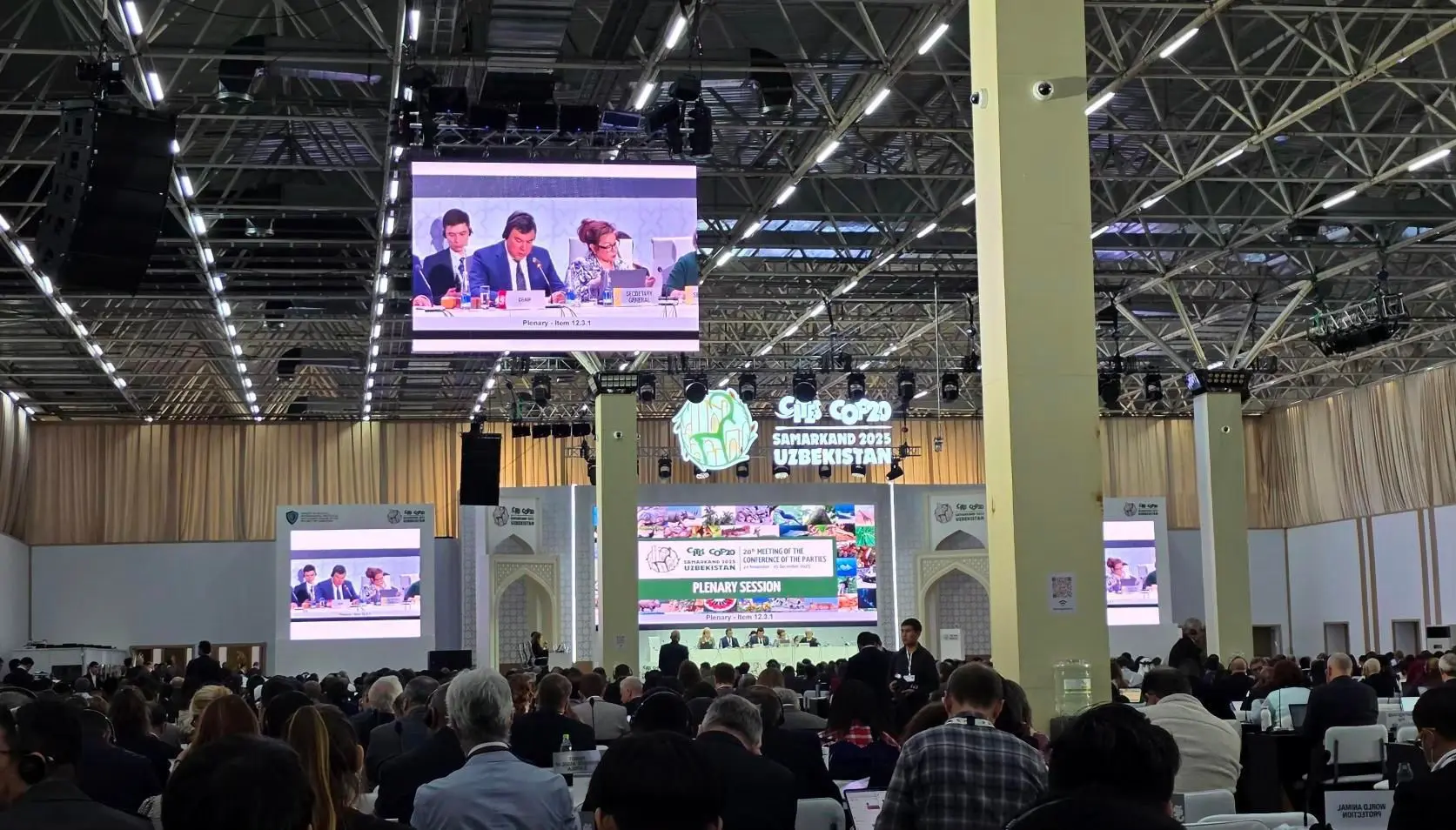
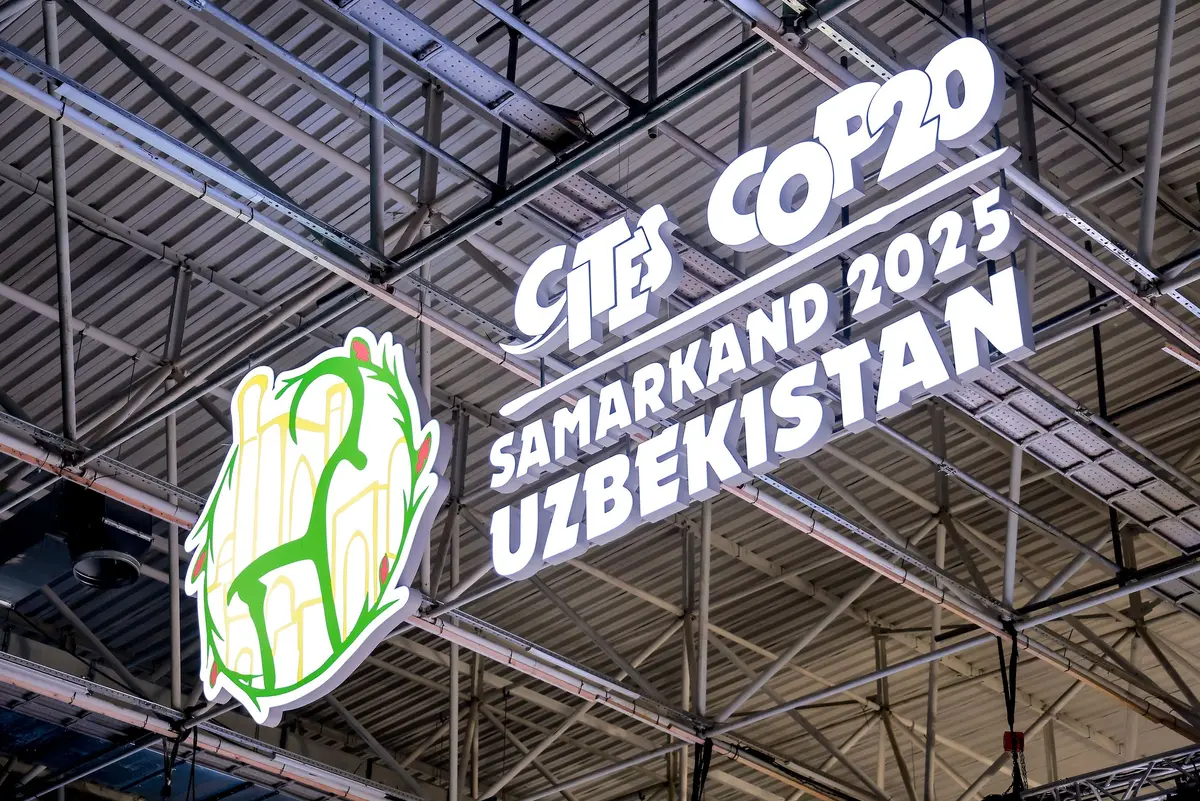
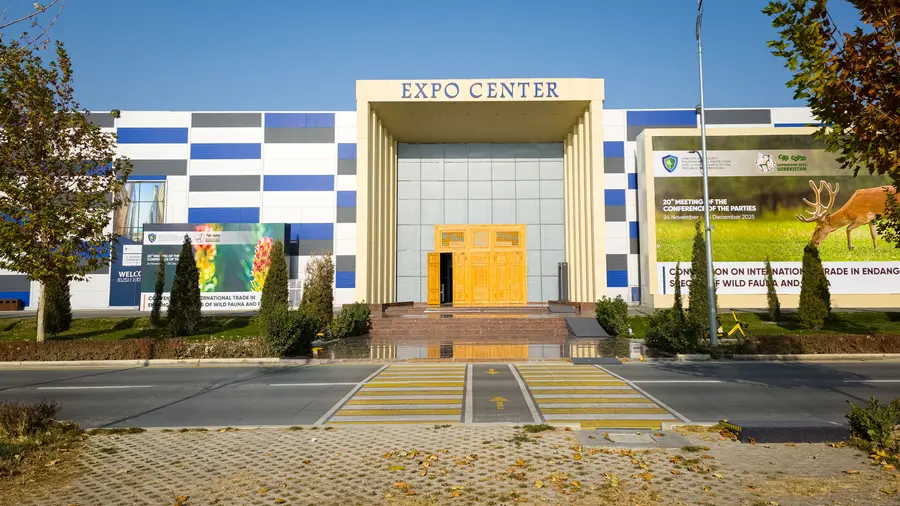
From 24 November to 5 December 2025, EAZA took part in the 20th Conference of the Parties to CITES (CoP20), the global forum where countries decide how international wildlife trade is regulated. Held for the first time in Central Asia, the meeting brought together more than 3,000 delegates from over 150 countries. Read our key highlights below.
Key outcomes and EAZA’s role in Samarkand
Every three years, the CoP sets the direction for how species are listed under CITES and how the Convention is implemented. This also shapes the framework within which zoos and aquariums around the world carry out animal transfers and conservation partnerships. A CoP is essentially the moment when countries vote on changes to the levels of species protection, update the rules, and respond to emerging threats in global wildlife trade.
This year’s CoP in Samarkand (Uzbekistan) addressed more than 110 agenda items, and 50 listing proposals, resulting in 77 species being added to the CITES Appendices.


Like previously, EAZA attended as an official observer NGO, representing the collective expertise and interests of our Members. Our role is twofold:
- to support science-based measures that protect species from unsustainable or illegal trade, and
- to ensure that the regulations continue to enable responsible, well-documented zoo transfers of CITES-listed animals, which are vital for population management efforts.
The CoP20 featured several agenda items where our expertise made the most tangible contribution:




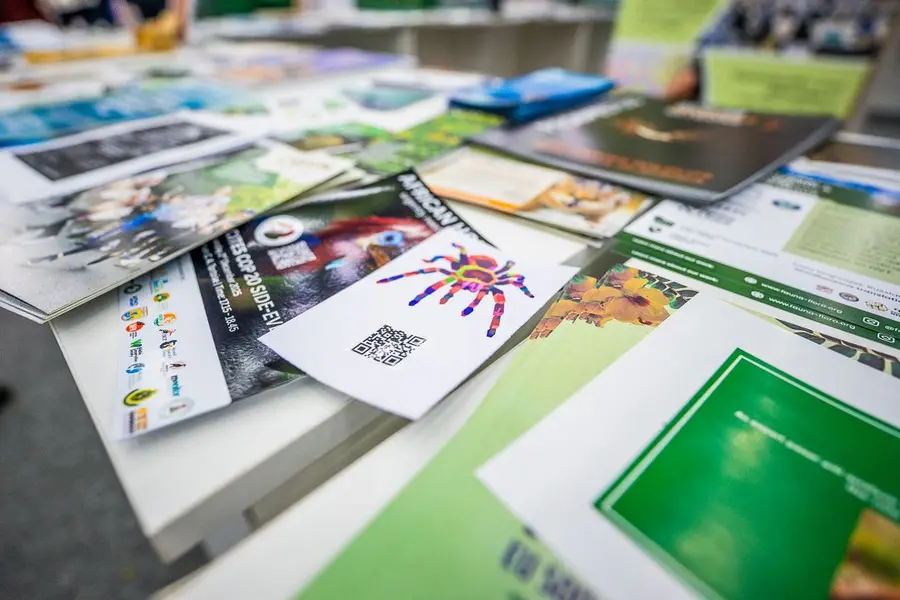

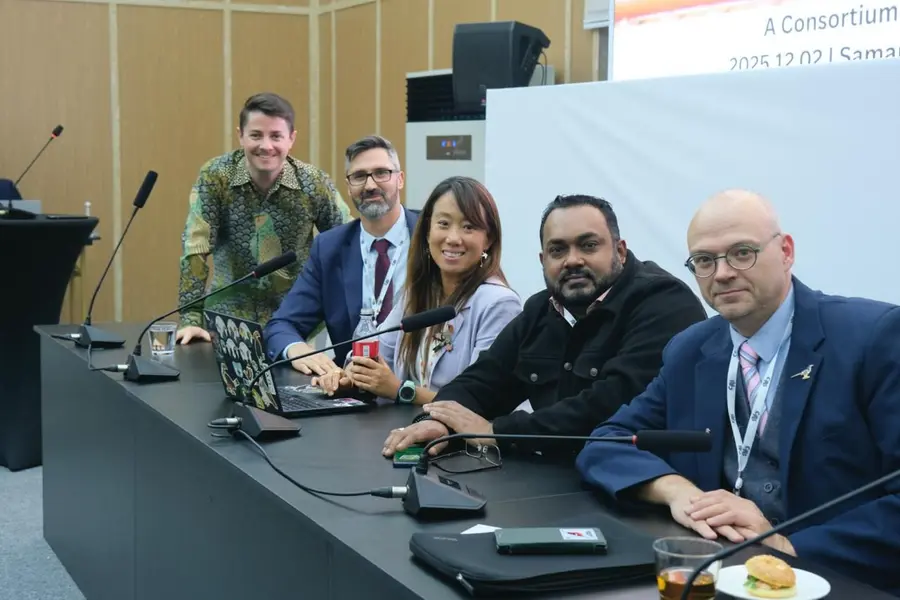
Songbird conservation was a major highlight. A proposal rooted in specialist work in EAZA led to Appendix-I listing of the great-billed seed-finch (Sporophila maximiliani) and Appendix II listing of several lookalike seed finch species. It was adopted by consensus.
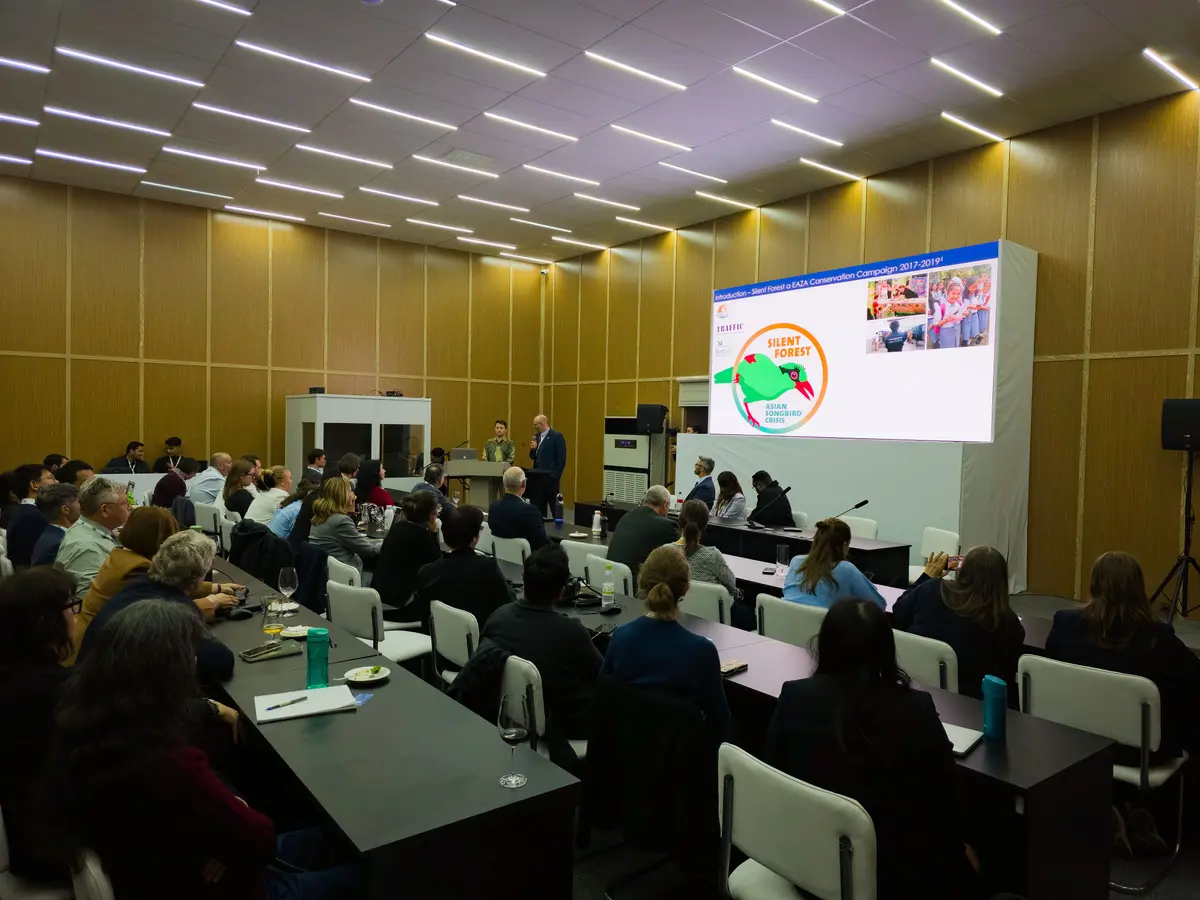
EAZA also co-hosted a high-profile side event on the global songbird trade, a lasting legacy of the Silent Forest campaign. The event presented new evidence and strengthened collaboration between governments, NGOs and specialist groups. We delivered a joint NGO intervention on behalf of Birdlife, WWF, WCS, IFAW and others, and were encouraged to make CoP21 “the CoP of songbirds".


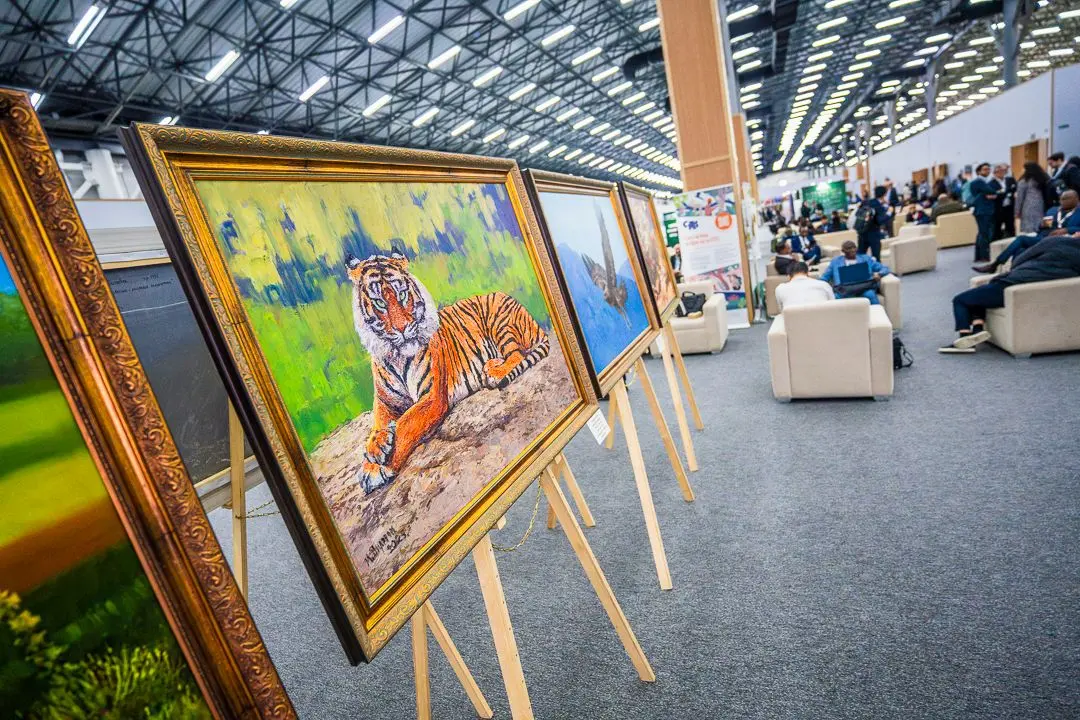
EAZA also supported successful proposals on African hornbills, vultures, okapi and golden-bellied mangabeys, and contributed to efforts tackling illegal trade in big cats and great apes. Our Felid TAG helped develop guidance for tiger facility inspections and conservation breeding definitions, leading to consensus that tiger facilities that are not part of breeding programmes should transition or phase out. On great apes, we worked with the Pan African Sanctuary Alliance (PASA) and others to establish a new enforcement task force.


Several technical agenda items had direct relevance for zoos and aquariums:
- Purpose Code Z, used when reporting zoo transfers of CITES-listed species. It is already well defined and so was kept without change, with only minor future clarifications to be possibly explored before the next CoP,
- live animal transport, where EAZA secured recognition that more transport partners must have access to IATA LAR, the global standard for safe and humane live animal transport,
- involvement of countries of origin in movements of CITES-listed threatened endemic species, where we advocated for clarity for institutions that have housed multi-generation ex situ populations,
- and terminology interpretations related to Legal Acquisition Findings (LAFs). EAZA secured a place in the intersessional working group that will explore these issues further in the years leading to CoP21.
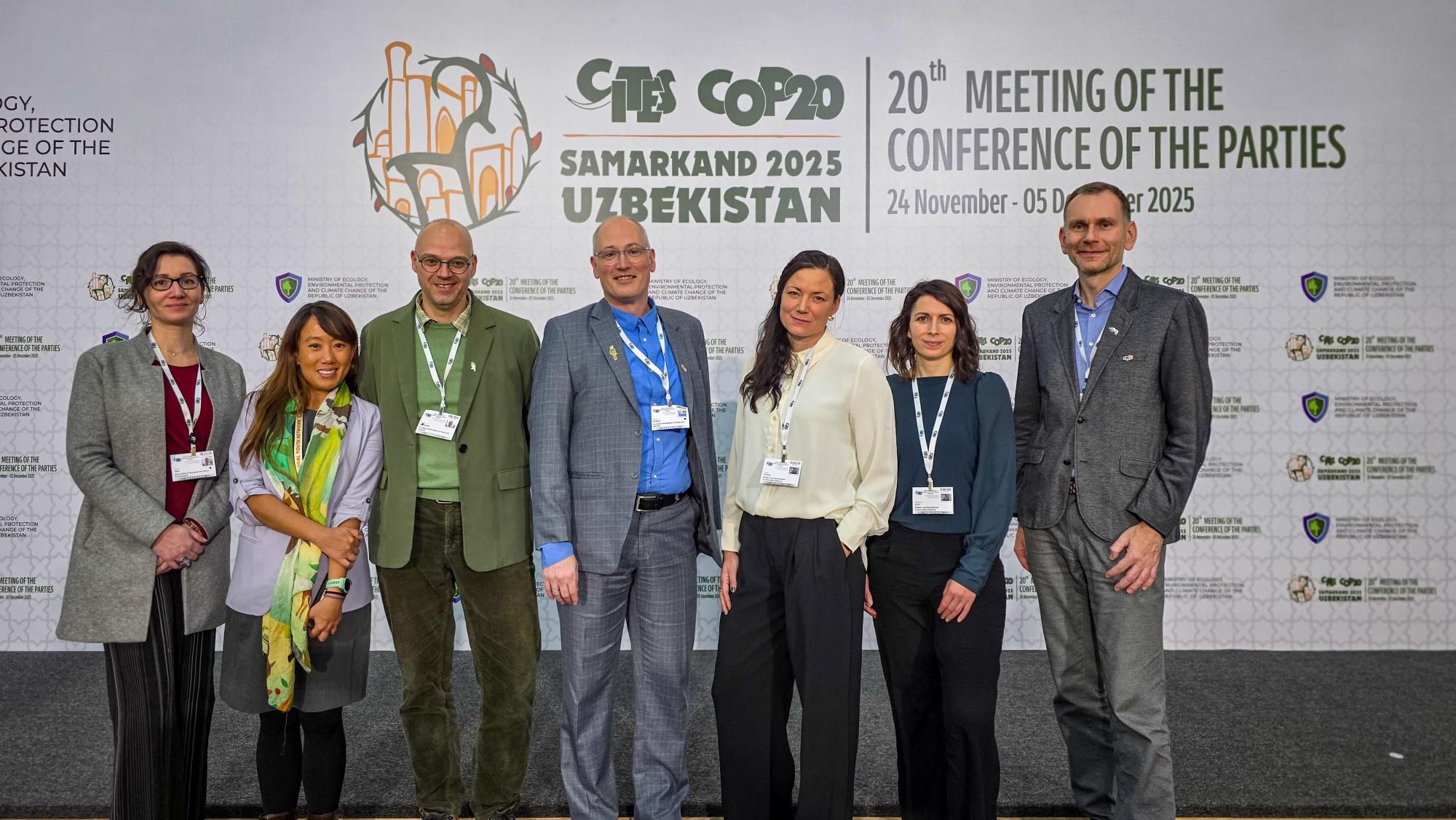
EAZA representatives at CoP20: (from left to right) Cécile Erny, Director of AFdPZ; Jessica Lee, Head of Avian Species Programmes & Partnerships at Mandai Nature; Simon Bruslund, Director of Global Development at Copenhagen Zoo and Chair of EAZA Conservation Committee; Danny de Man, EAZA Deputy Director and Head of EAZA’s CITES delegation; Emma Nygren, Conservation Director at Nordens Ark; Katarzyna Ruta, Conservation Project Officer at RZSS; Tomasz Rusek, EAZA Director of Advocacy and Communications
The next three years will involve substantial follow-up work in areas where EAZA is actively engaged, especially Purpose Codes, LAFs and expanding the work on global songbird conservation. We will continue contributing through:
- EU coordination meetings,
- collaboration with WAZA and regional zoo associations,
- work with IUCN SSC Specialist Groups,
- our own internal CITES structures and TAG network.
EAZA is proud to have represented the expertise, experience and values of our Member community in Samarkand. The decisions taken at CoP20 will shape international wildlife trade policy and conservation programmes for years to come, and we look forward to continuing this work on the road to CoP21 in 2028.
Pictures 1, 3, 6, 8 © EAZA, Tomasz Rusek; 2, 4, 7 © IISD/ENB, Danny Skilton; 5 © Ida Christine Ladefoged Jacobsen
Blog post by Tomasz Rusek and Sandrine Camus, 12 December 2025