
EAZA welcomes progress on EU-UK agreement
Read below
EAZA welcomes progress on EU-UK agreement
20 November 2026
The European Association of Zoos and Aquaria (EAZA) welcomes the outcome of today's EU-UK Summit in Brussels and the progress made towards a new Sanitary and Phytosanitary (SPS) Agreement.
This is an important opportunity to restore the movement of animals between zoos and aquariums on both sides of the Channel, which has been severely disrupted since the UK’s withdrawal from the EU.
Before Brexit, approximately 1,400 animals were transferred annually between UK and EU zoos. In 2021, that number fell to just 57. Despite a gradual recovery, transfers remain at only around 30% of their previous level.
For the EAZA community, these transports are an essential part of EAZA Ex situ Programmes (EEPs), which rely on international cooperation to maintain healthy and genetically diverse animal populations. You can read more about the EEP system and its roles here.
EAZA welcomes the commitment of both the UK and the EU to reduce unnecessary barriers while maintaining high standards of animal health and welfare. The next challenge is to ensure that the agreement delivers practical improvements for zoo and aquarium animal movements.
Together with our colleagues at the British and Irish Association of Zoos and Aquariums (BIAZA), we will continue advocating for simplified and harmonised health certification, efficient border procedures and transport arrangements, access to relevant EU digital systems, and appropriate recognition of approved zoological establishments on both sides.
Reducing unnecessary bureaucracy and journey times will benefit animal welfare and strengthen the conservation work carried out by progressive zoos and aquariums and partners across Europe.
EAZA looks forward to working further with EU and UK authorities to ensure that the agreement's implementation fully reflects the specific needs of our sector.
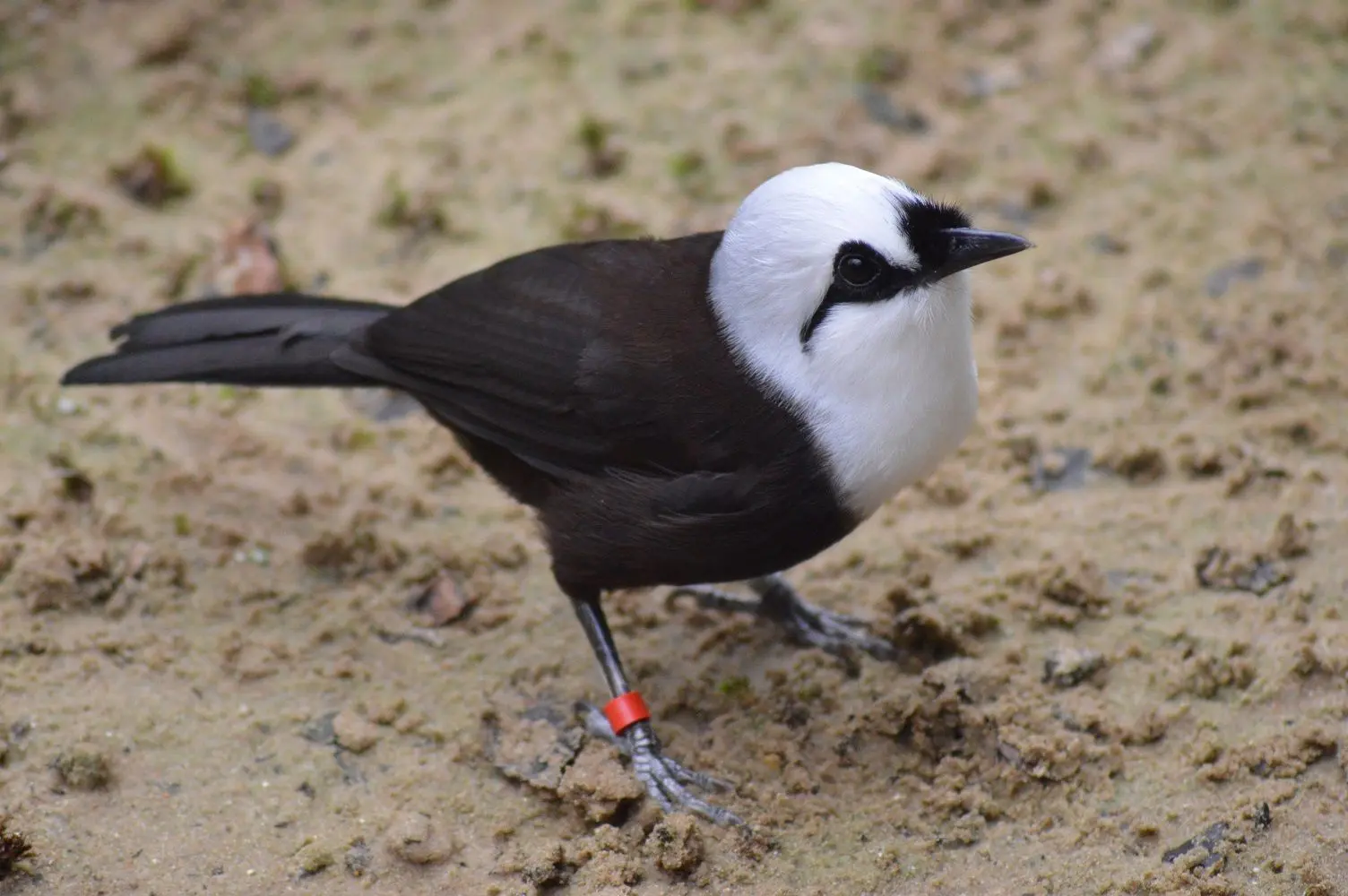
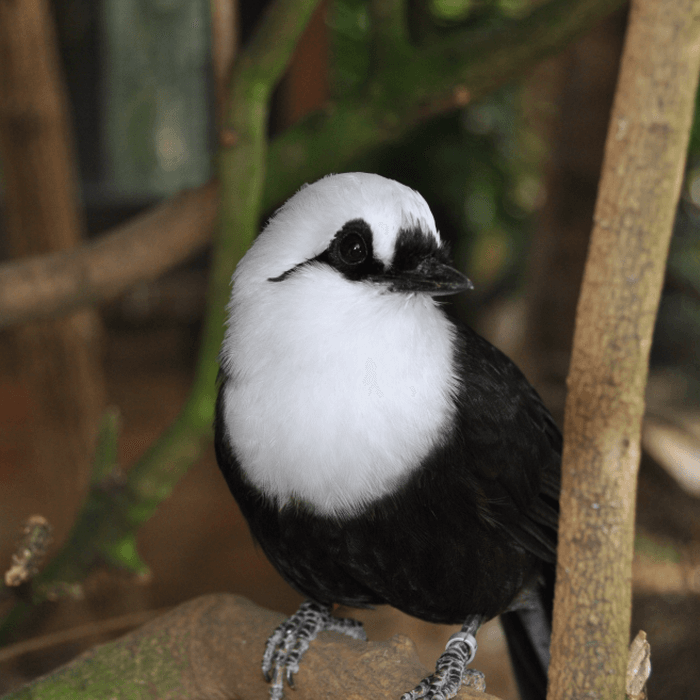
Pictures: Sumatran laughingthrush (Garrulax bicolor) 1 ©Andrew Owen, 2 © Simon Bruslund, Heidelberg Zoo.
Post-Brexit challenges: In March 2026, a transfer of Sumatran laughingthrushes from the UK to ARTIS (the Netherlands) was delayed due to cross-border documentation issues. The planned road transport was cancelled, and the transfer had to be reorganised by air.