
Working Together for Biodiversity at CBD COP17
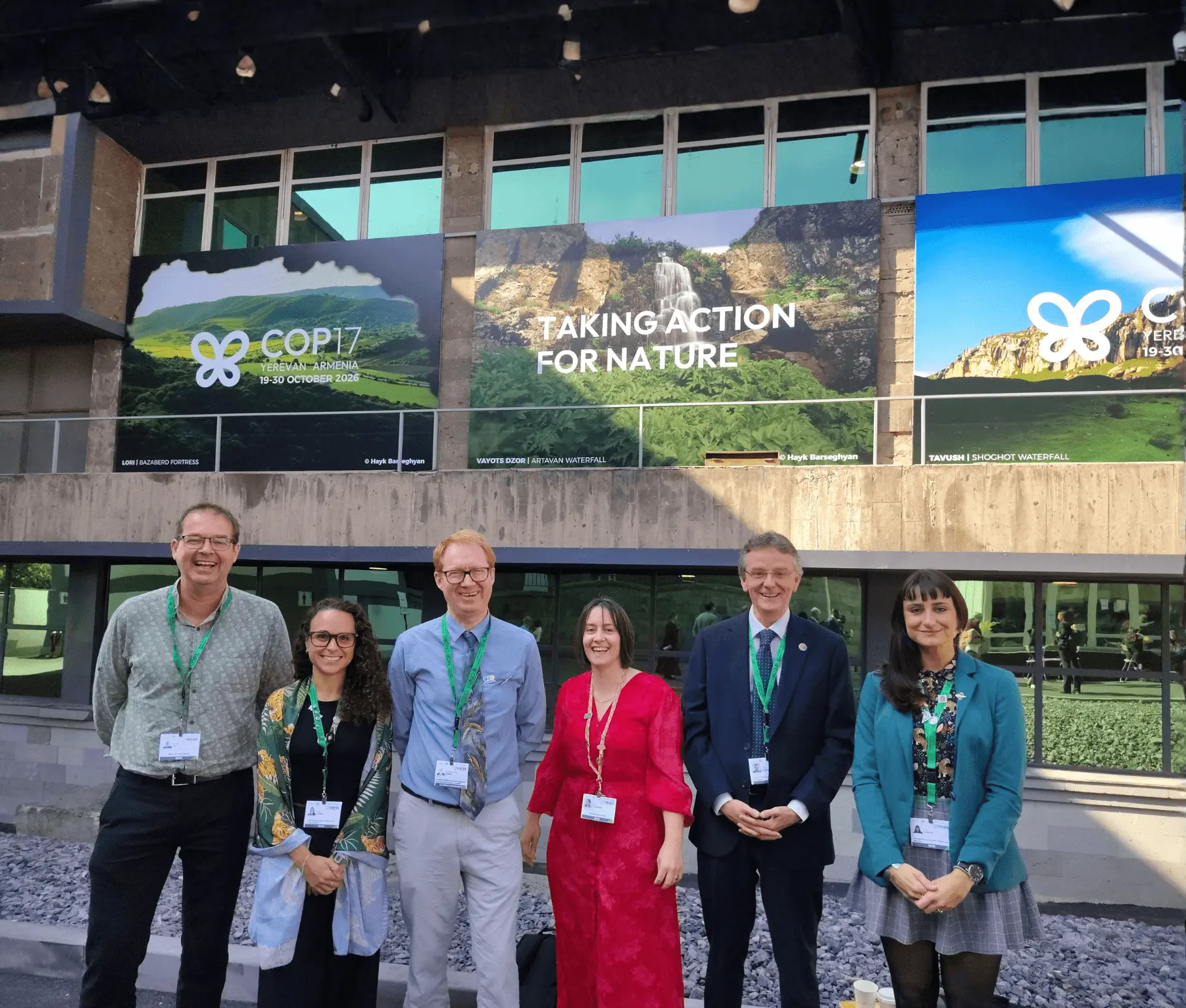
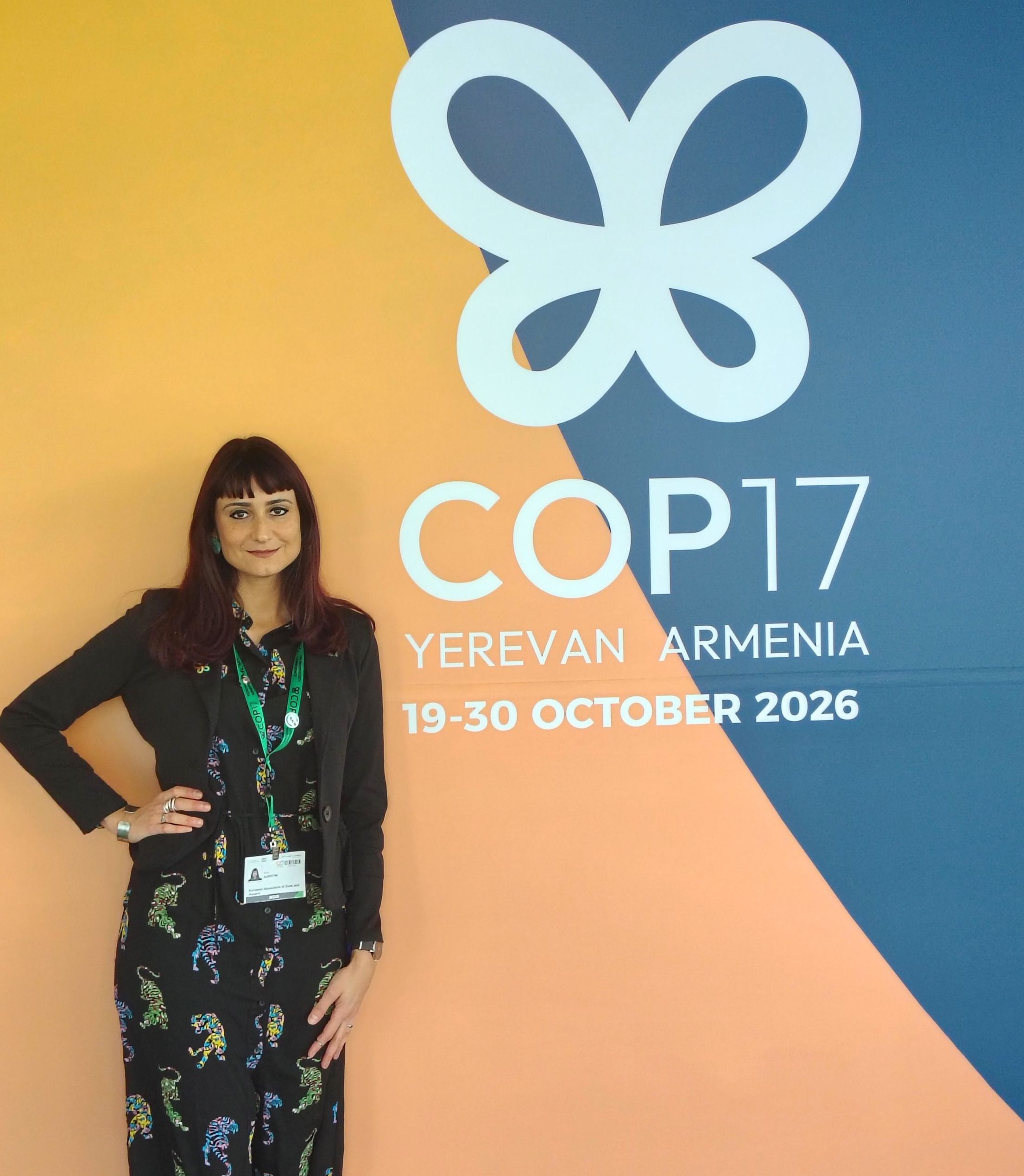
EAZA has just returned from CBD COP17 in Yerevan, Armenia, where the zoo and aquarium community joined wider conservation discussions on turning global biodiversity commitments into action.
EAZA has just returned from CBD COP17 in Yerevan, Armenia
Held at the midpoint of the implementation period for the Kunming-Montreal Global Biodiversity Framework (GBF), this COP placed a strong focus on bridging implementation gaps and accelerating action on the ground.
Among the EAZA delegates attending the COP were representatives from Copenhagen Zoo, Chester Zoo, Ouwehands Zoo, The Zoological Society of London, Nausicaá Centre National de la Mer, Foundation for the Preservation of Wildlife and Cultural Assets (FPWC), AFdPZ and the EAZA Executive Office.
Connecting genes, species and habitats: partnerships for GBF implementation
One of our highlights was EAZA's side event, "Connecting genes, species and habitats: partnerships for GBF implementation", held at the FPWC Pavilion. The event showcased how partnerships between zoos and aquariums, NGOs, scientific networks and other conservation organisations can help connect efforts across the three levels of biodiversity to support GBF implementation.
Alice Albertini from the EAZA Executive office opened the session by drawing on examples from species recovery, pollinator conservation, invasive alien species management and policy engagement, to highlight the role of ex situ and in situ conservation in linking science, practice and policy while underscoring the importance of trust, collaboration and policy coherence.
Paula Cerdán from WAZA explored how WAZA's Global Goals are helping align the collective capacity of the zoo and aquarium community, and how this shared effort can empower and contribute to the implementation of many targets of the GBF.
David Obrien from NatureScot showcased practical examples of genetic conservation in action and highlighted how genetic diversity can be monitored and reported, including through Target 4 indicators. He also presented the contribution of the the Coalition for Conservation Genetics, of which GENOA COST Action is a partner of, in supporting countries by developing practical tools, guidance and partnerships that facilitate the uptake of genetic diversity indicators in biodiversity policy, monitoring and national reporting.
Richard Lee from Wetlands International showcased the Wetlands for Life campaign and highlighted how restoring rivers, lakes, peatlands and other freshwater ecosystems can deliver benefits across species, habitats and people. His presentation was a reminder that wetlands are overlooked ecosystems are essential for reversing biodiversity loss and accelerating progress towards the GBF.
Amy McDougall from BirdLife International brought the issue of wildlife trade into the discussion and presented opportunities for continued collaboration between EAZA, BirdLife and the wider “Friends of Songbirds” coalition to support songbird conservation through international policy processes, including CITES.
Finally, Philip McGowan from Newcastle University concluded the session by stepping back from individual case studies to focus on the bigger picture of GBF implementation. He highlighted how GBF Goal A provides a clear vision for biodiversity outcomes, and how achieving them will require strategic partnerships that bring together the complementary strengths of governments, academia, conservation organisations and other stakeholders. This way, Philip also built a bridge back to his keynote talk on the GBF during our EAZA21+ campaign.
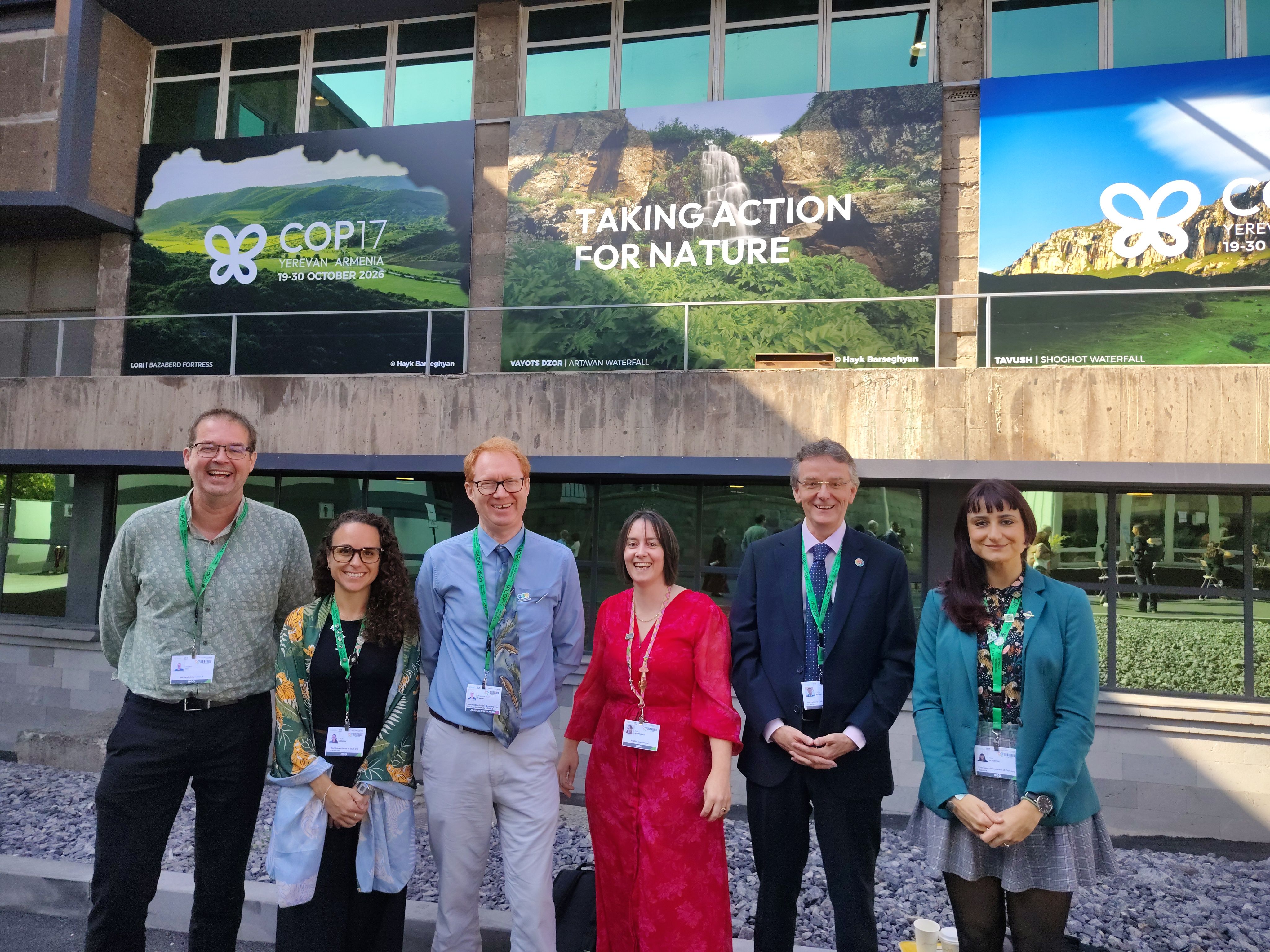
The conversation, which started during the EAZA21+ Campaign, did not end at CBD COP17. As countries move from commitment to implementation, there is a clear need to strengthen collaboration across sectors and make better use of the expertise, data and partnerships already available.
EAZA and its members remain committed to strengthening the contribution of the zoo and aquarium community to GBF implementation, including by supporting countries in monitoring and reporting progress towards the Framework's goals and targets.


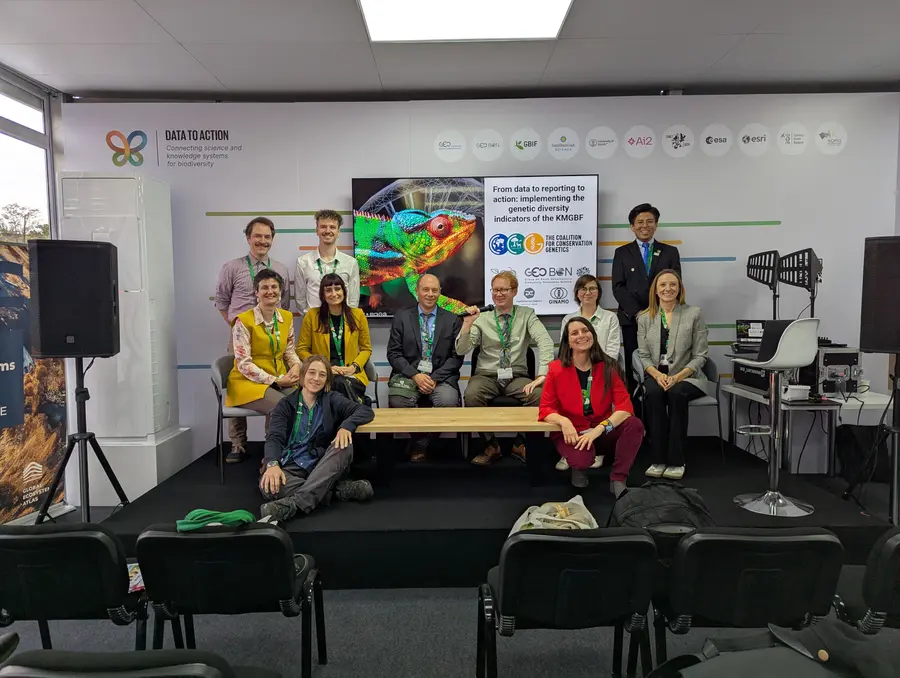


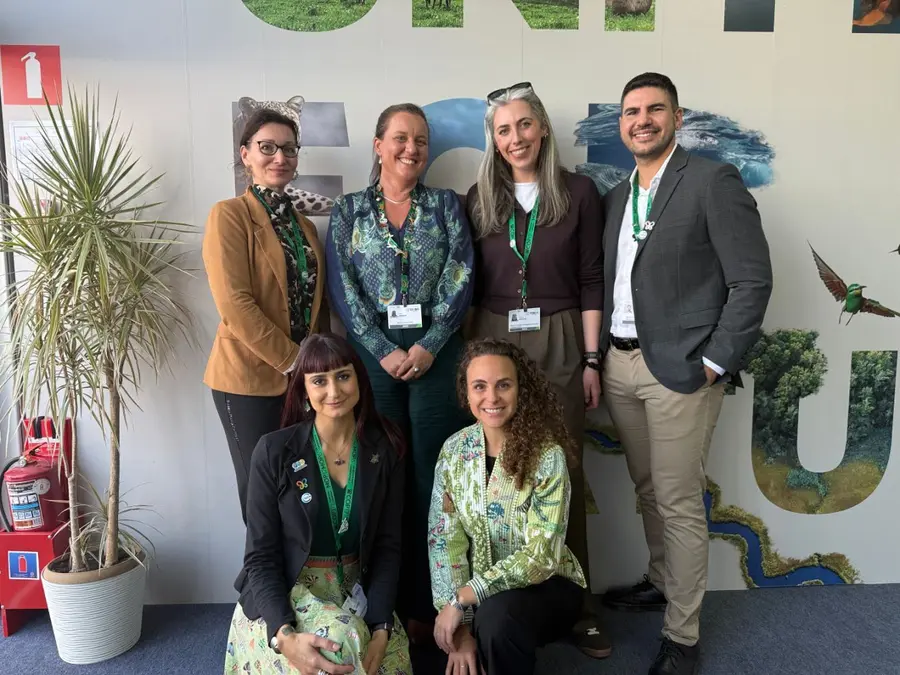


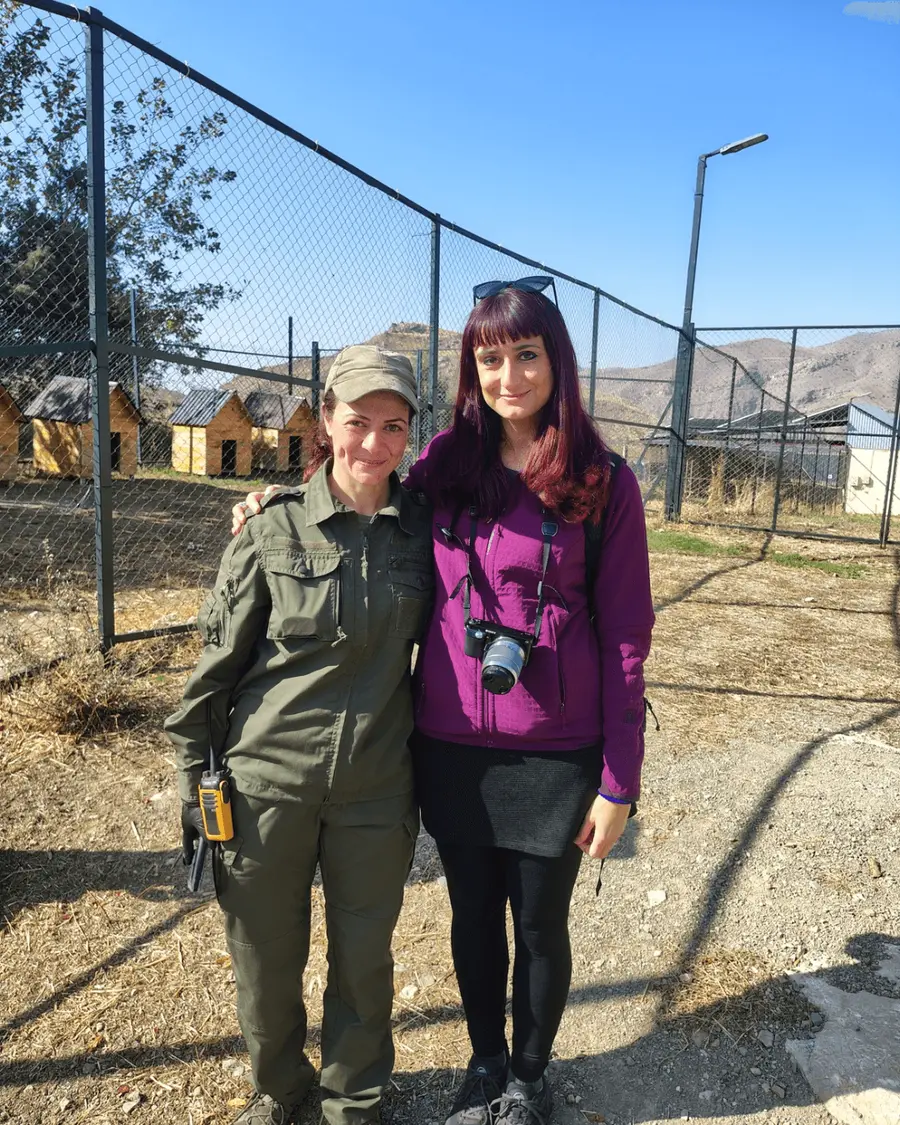
Thank you to all our partners, Members and participants for their valuable contributions and engaging discussions.
Pictures on this page © EAZA; WAZA; Coalition for the Conservation Genetics
Blog post by Alice Albertini, 6 November 2026