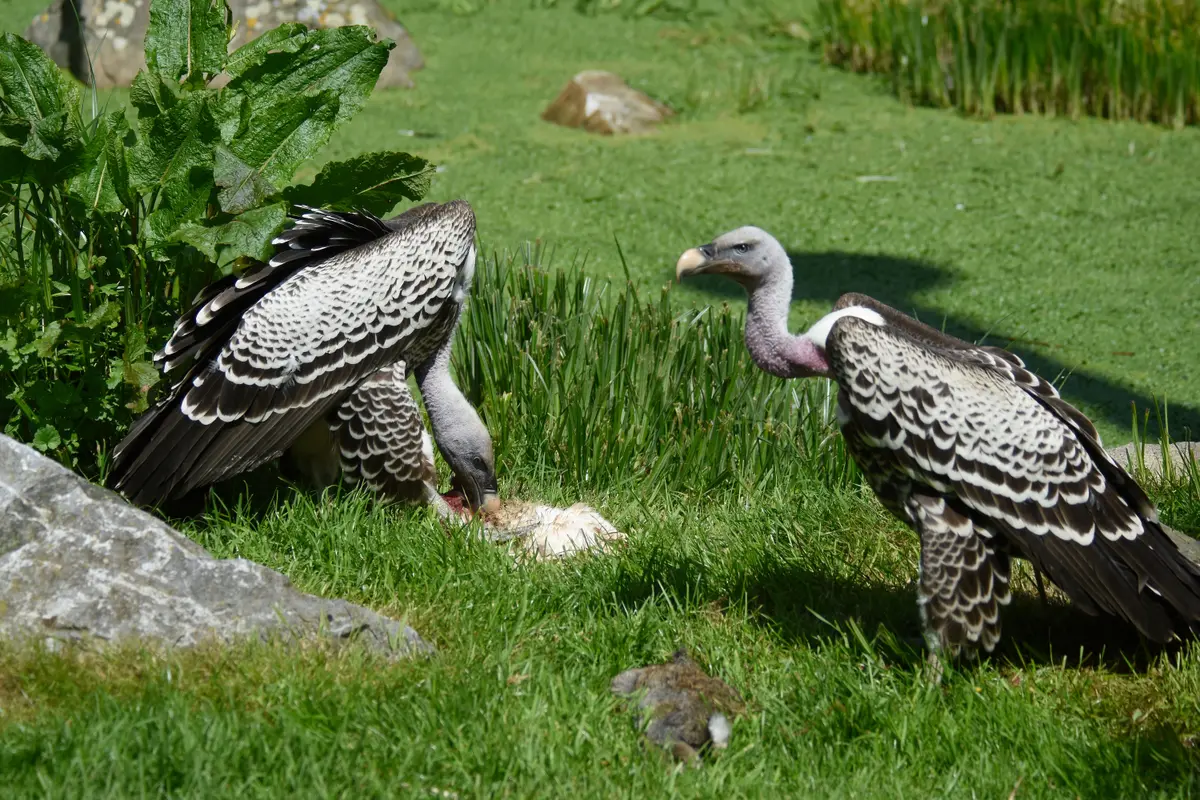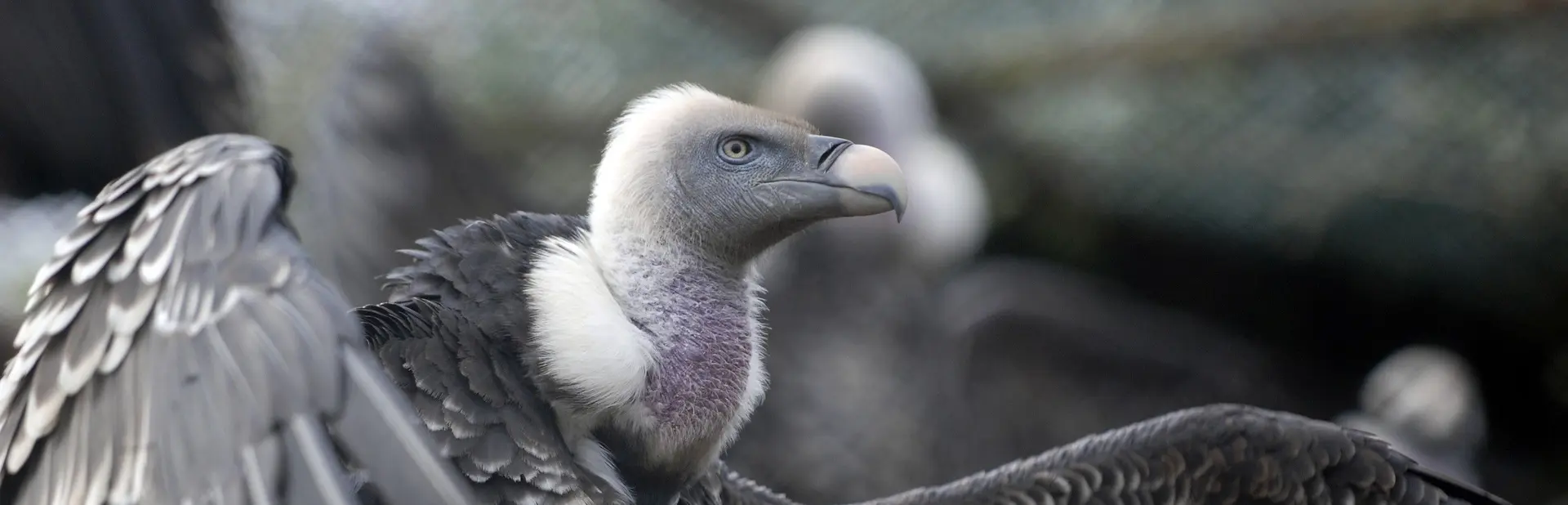

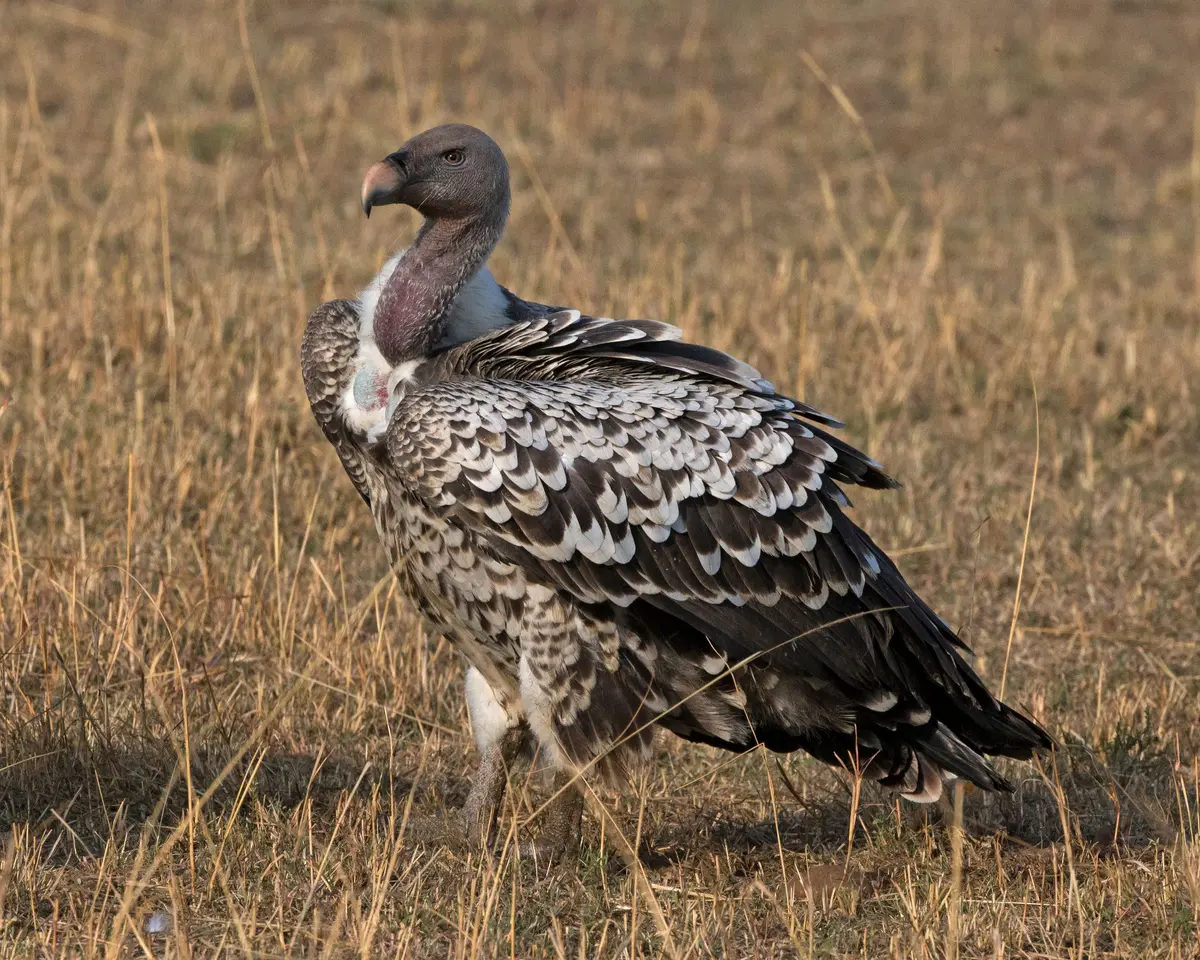
Rüppell’s vulture
(Gyps rueppelli)
EEP Coordinator: Maarten Vis, Diergaarde Blijdorp
EEP page - Rüppell’s vulture
Coordinators and Partners





What are the EEP roles?

| Insurance | Function as a demographically stable, genetically healthy and behaviourally competent insurance population that can potentially function as a source for future reintroduction. Setting up a nucleus in Europe is important, given there are no ex situ birds in Africa. |
| Conservation Education / awareness (in range) | Support educational activities in range about vulture conservation (threats and how they can be countered). Engage with local NGOs to work on this and support them with material. |

| Conservation education/ Awareness | Generate awareness about vulture conservation and the worrying conservation status they are in due to human-wild live conflicts, poaching, (un)intentional poisoning (African white backed are heavily impacted), and/or diclofenac and NSAIDs. |
| Fundraising | EAZA to fundraise/financially support in situ work, training, response kit, and funding for research. |
| Technical and veterinary support | Based on our experiences with vultures, provide technical guidance and veterinary support for the ex situ activities in range countries. |
| Research | Acquire knowledge on the species biology to build up knowledge on nutrition, behaviour, reproduction biology, etc. to help inform in situ conservation actions. |
| Advocacy | EAZA will do conservation education regarding diclofenac and poisoning issues with the species we do have in our collections. Provide input in CMS Action plan from the EU side and CITES. |
EEP in numbers
In September 2025, the Rüppell’s vulture EEP included:
- 152 animals
- in 26 institutions.


Programme highlights
- EAZA member Diergaarde Blijdorp, together with Wageningen University & Research, started a PHd on Rüppell's vulture ecology in The Gambia in 2025.
- A PHd project in cooperation with the Hartpury University started in 2025, exploring vulture health and welfare of several species, including Rüppell’s vultures.
- EAZA members Avifauna and Diergaarde Blijdorp, together with Utrecht University, started a 4 year PHd on Rüppell's vulture behaviour in 2024.