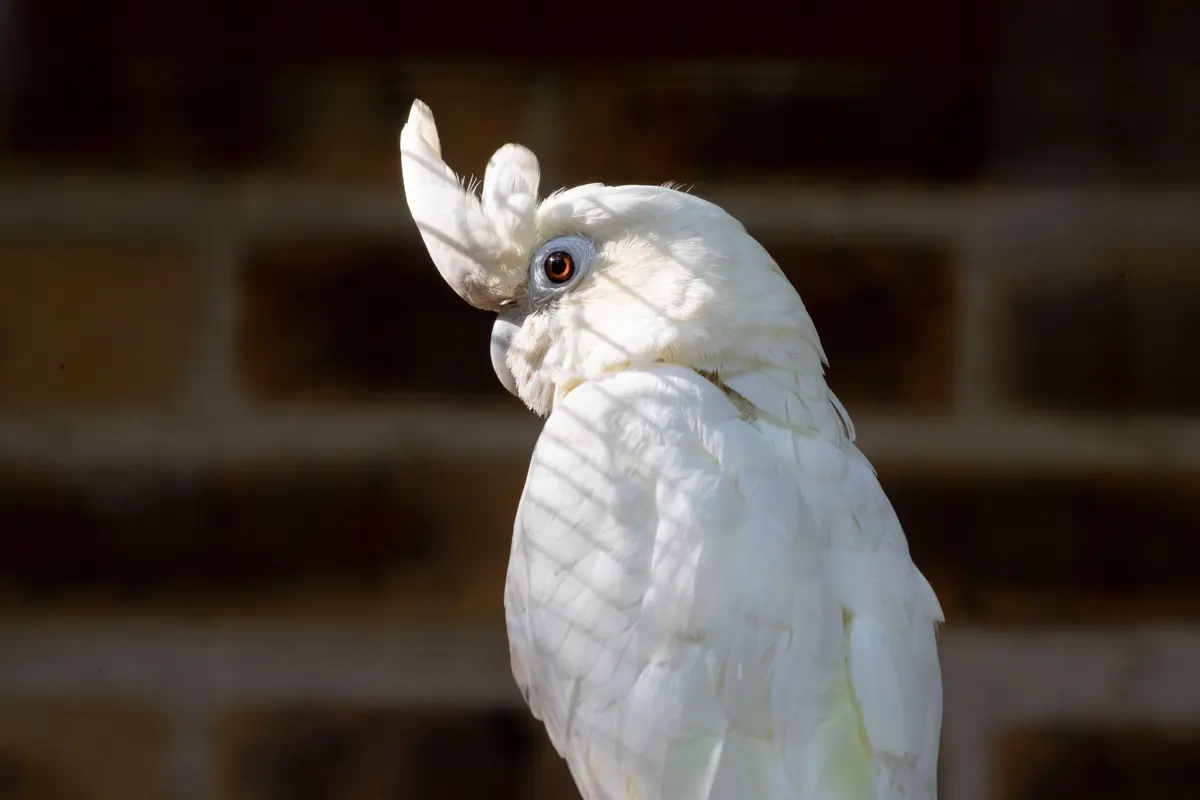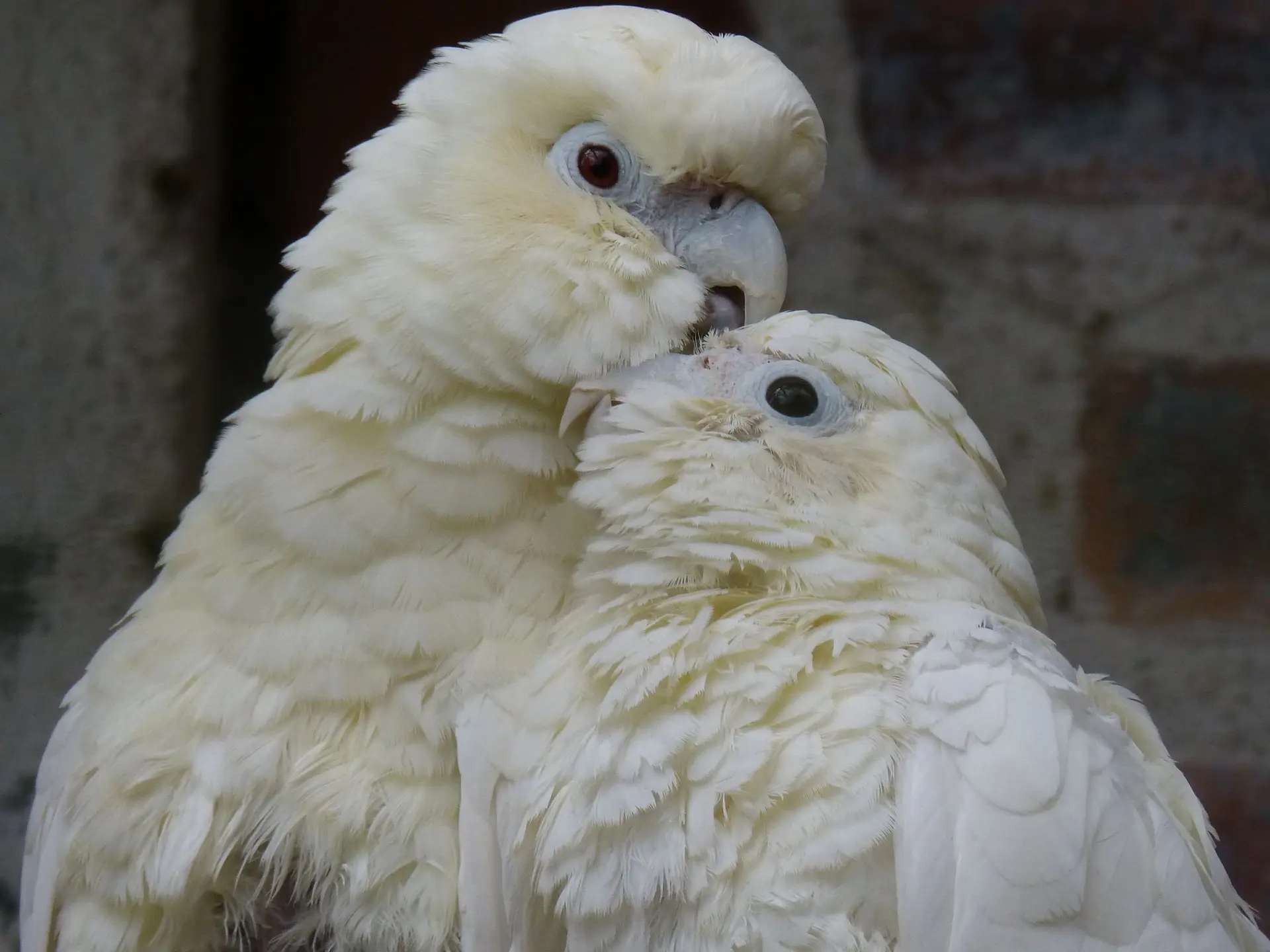

Philippine cockatoo
(Cacatua haematuropygia)
EEP Coordinator: Laure Pelletier, ZooParc de Beauval
EEP page - Philippine cockatoo
Coordinators and Partners









What are the EEP roles?

| Insurance | This role includes the establishment of a long-term ex situ population as a means of preserving options for future conservation efforts. The aim is to create a potential source population for demographic and genetic supplementation in the event of a decline in the wild population. This role also involves engaging with non-responsive holders to encourage their participation in conservation efforts. Collaborative efforts with other cockatoo coordinators are essential for effective space management and coordination of breeding programs. It is important to note that currently, the Philippine Cockatoo is only present within the EAZA region. Private breeders may be hesitant to collaborate due to the high value and rarity of these birds. However, exploring possibilities with the Loro Parque Foundation and revisiting the Memorandum of Understanding (MoU) may yield opportunities to acquire new individuals. Care must be taken when handling and restraining the birds, as past experiences have resulted in losses. By implementing these strategies, the insurance role aims to ensure the long-term viability and genetic diversity of the Philippine Cockatoo population. |
| Research (husbandry) | The Husbandry role aims to develop updated Best Practice Guidelines based on the experience of holders. The existing cockatoo husbandry guidelines available on the TAG page serve as a foundation, but it is crucial to update them based on the practical knowledge gained from those directly caring for Philippine Cockatoos. By addressing husbandry concerns and implementing improved practices, we can enhance the overall welfare and reproductive success of the species. It is important to consider reputational risks associated with husbandry practices and ensure that the updated guidelines align with the highest standards of animal care and conservation. |
| Capacity building | This role focuses on strengthening the capabilities of in-range organizations involved in the conservation of the species. This role involves providing training and support in various areas such as disease testing, correct identification, and translocation protocols. By sharing information and expertise, these capacity building efforts aim to enhance the conservation efforts of local organizations. Collaboration with Katala Foundation, which has experience and knowledge in training partners in Indonesia, can be valuable in this capacity building endeavour. Additionally, connections from the Kea Lab can provide valuable insights and contributions to this role. It is important to coordinate this capacity building role with other cockatoo coordinators to ensure consistent and effective training programs across all cockatoo species |

| Fundraising | Fundraising initiatives will contribute to supporting in-range conservation organizations working towards the protection of the Philippine cockatoo and other cockatoo species. |
| Conservation education | This role focuses on developing educational materials for zoos to raise awareness about the threats faced by cockatoos, including deforestation, and promote their conservation. |
| Model | Philippine cockatoo serves as a model species for various research initiatives. This research has the potential to be applicable to various cockatoo species facing similar aggression issues. Currently, the effectiveness of a "dating aviary" is being studied within a specific cockatoo species, focusing on how this affects the timing of pairing and the age at which birds first breed, with preliminary findings suggesting earlier breeding in birds paired through a dating aviary. This research aims to determine if long-term pair conservation can reduce aggression. Future plans include comparing outcomes across multiple institutions using dating aviaries, but this requires a significant number of offspring to proceed. Therefore, this role is more in the long-term. |
EEP in numbers
In December 2024, the Philippine cockatoo EEP included:
- 38 animals
- in 11 institutions.


Programme highlights