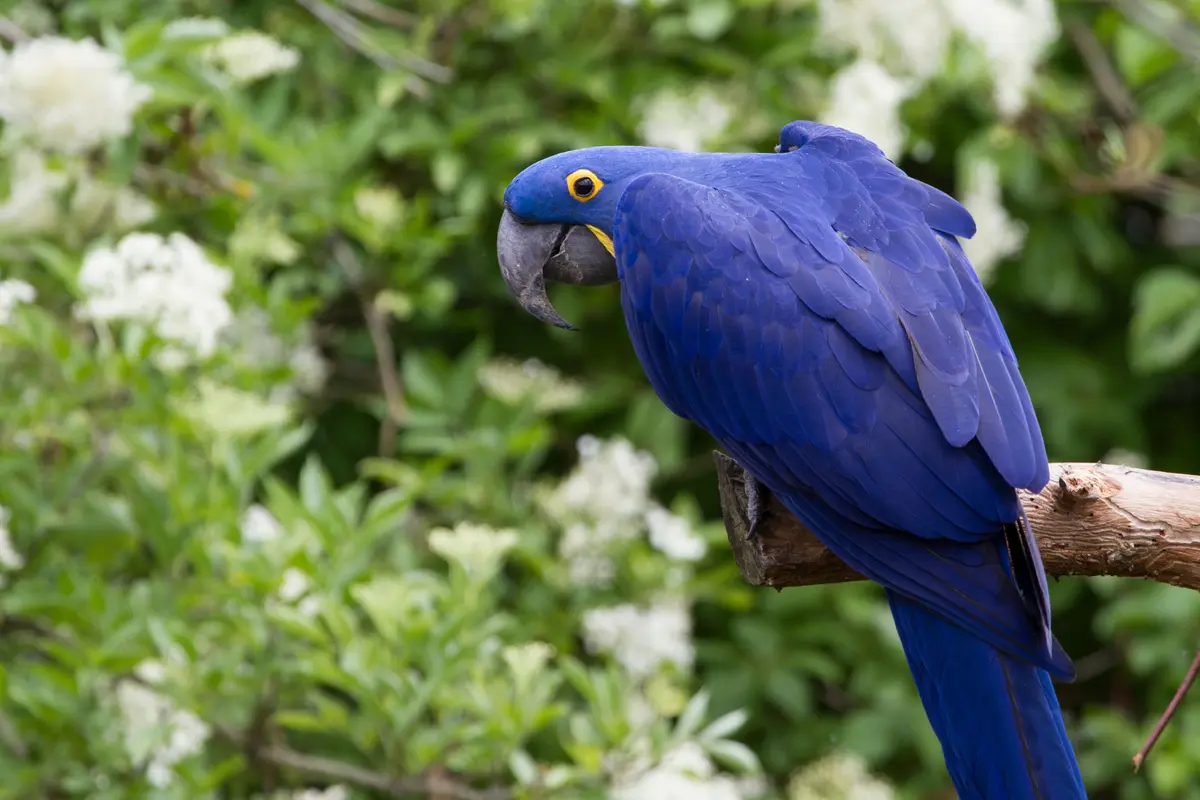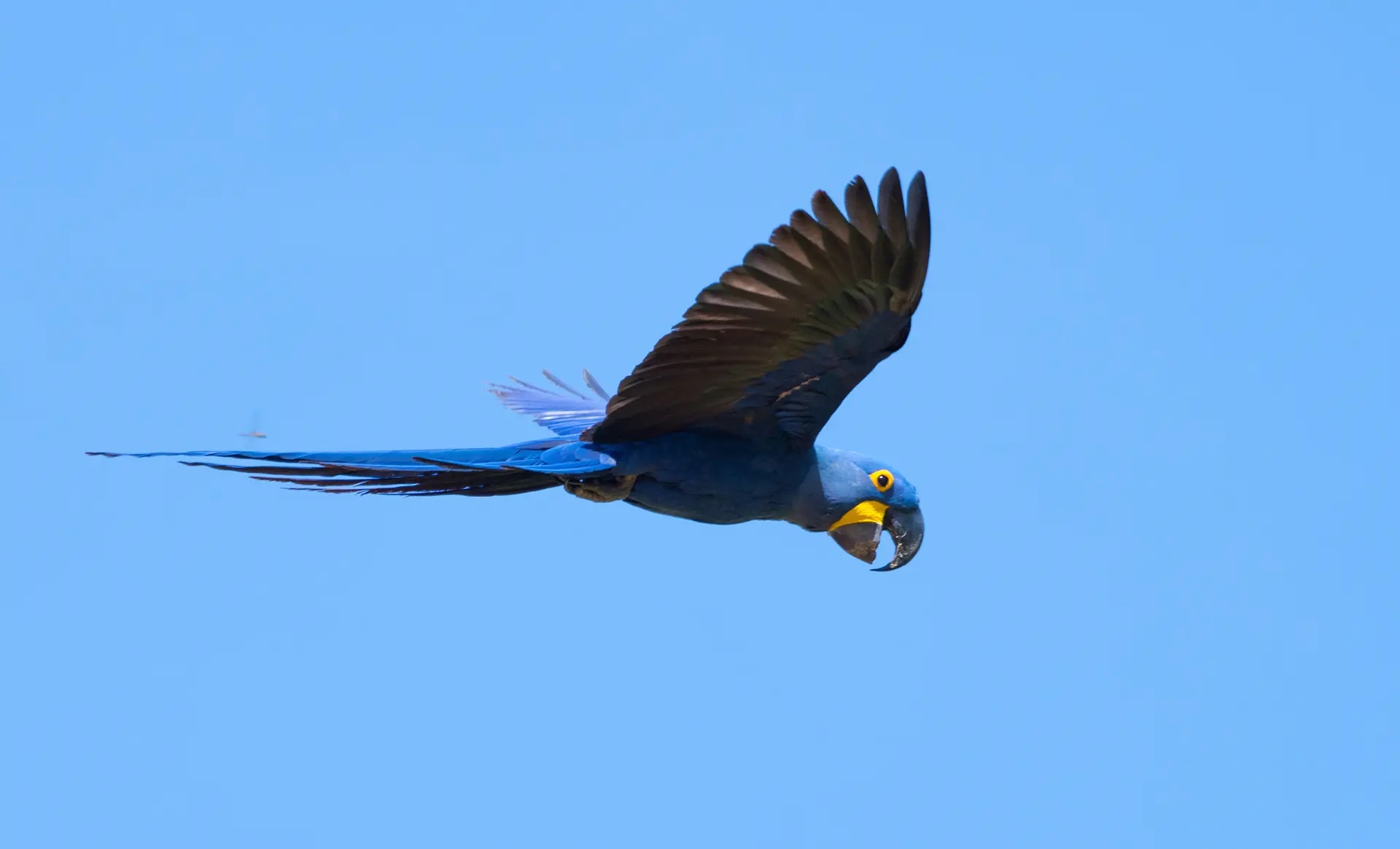

Hyacinth macaw
(Anodorhynchus hyacinthinus)
EEP Coordinator: Basil von Ah, Zoo Zürich
Vice coordinator: Dominik Fischer, Wuppertal Zoo
EEP page -Hyacinth macaw
Coordinators and Partners












| Model | Model species for various research initiatives. Ongoing projects by Wuppertal focus on dating aviaries and breeding, while Zurich collaborates with a university to utilize transponders and Artificial Intelligence for individual identification. This research has the potential to be expanded to other institutions and applied to more threatened macaw species, making it a valuable model for conservation efforts. |
| Fundraising | This role involves leveraging the existing strong connections with in-situ activities, such as the Ara Azul project. The focus is on supporting initiatives like nest box programs and conducting basic field surveys. While the benefit of these activities is considered medium compared to other species, it is encouraging to note that the Brazilian government is contributing to the conservation efforts. The aim is to secure funding and resources to sustain and expand these important in situ activities for the conservation of Hyacinth macaws. |
| Conservation education | Raising awareness and fostering a connection between zoo visitors and the species as an ambassador of the ecosystem. As a flagship species, the hyacinth macaw serves as a powerful symbol for the conservation of its habitat and the broader ecosystem. Through educational programmes, interactive exhibits, and engaging presentations, zoo visitors can learn about the challenges faced by the species and the importance of preserving its natural environment. By highlighting the unique characteristics and conservation needs of the hyacinth macaw, this role aims to inspire visitors to take action and support conservation efforts. |

| Exhibit | The exhibit role for Hyacinth macaws focuses on showcasing the species in a way that highlights its beauty and unique characteristics. |
| Research (population dynamics and genetics) | This research role entails studying the population dynamics and genetics of the species, which is crucial for both the insurance role and non-conservation aspects. Ongoing research initiatives provide valuable insights into the genetic diversity, relatedness, and demographic trends of the macaw population. Feasibility is related to the start of collecting samples for biobanking, which can contribute to the long-term genetic management and conservation efforts. The benefit of this research lies in the charismatic nature of the species, attracting attention and generating interest among researchers and the public alike. |
EEP in numbers
In October 2025, the Hyacinth macaw EEP included:
- 324 animals
- in 72 institutions.


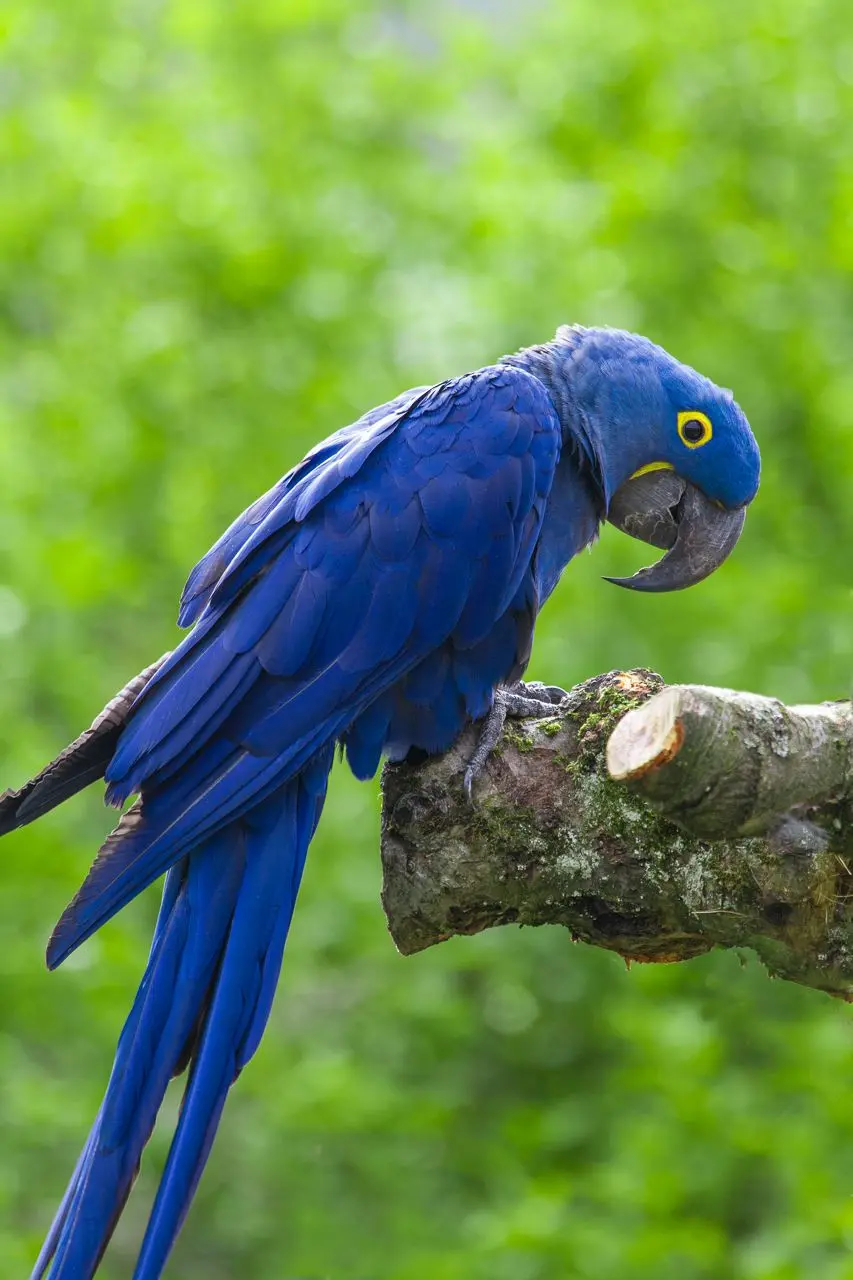
Programme highlights
- Increased parent reared offspring and breeding successes within the last years.
- First successes of the dating aviary prove the concept to be correct.
- Strong links to in-situ projects.
- Involvement in national conservation planning (Brazil)