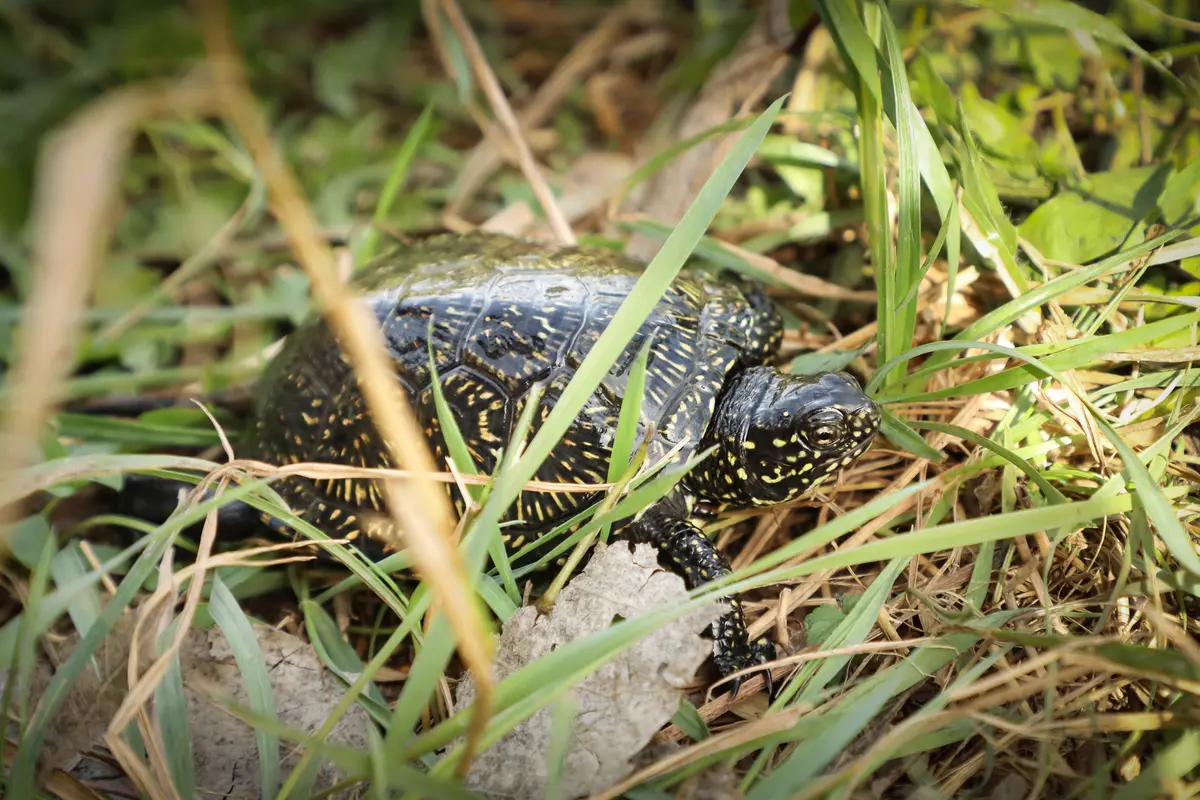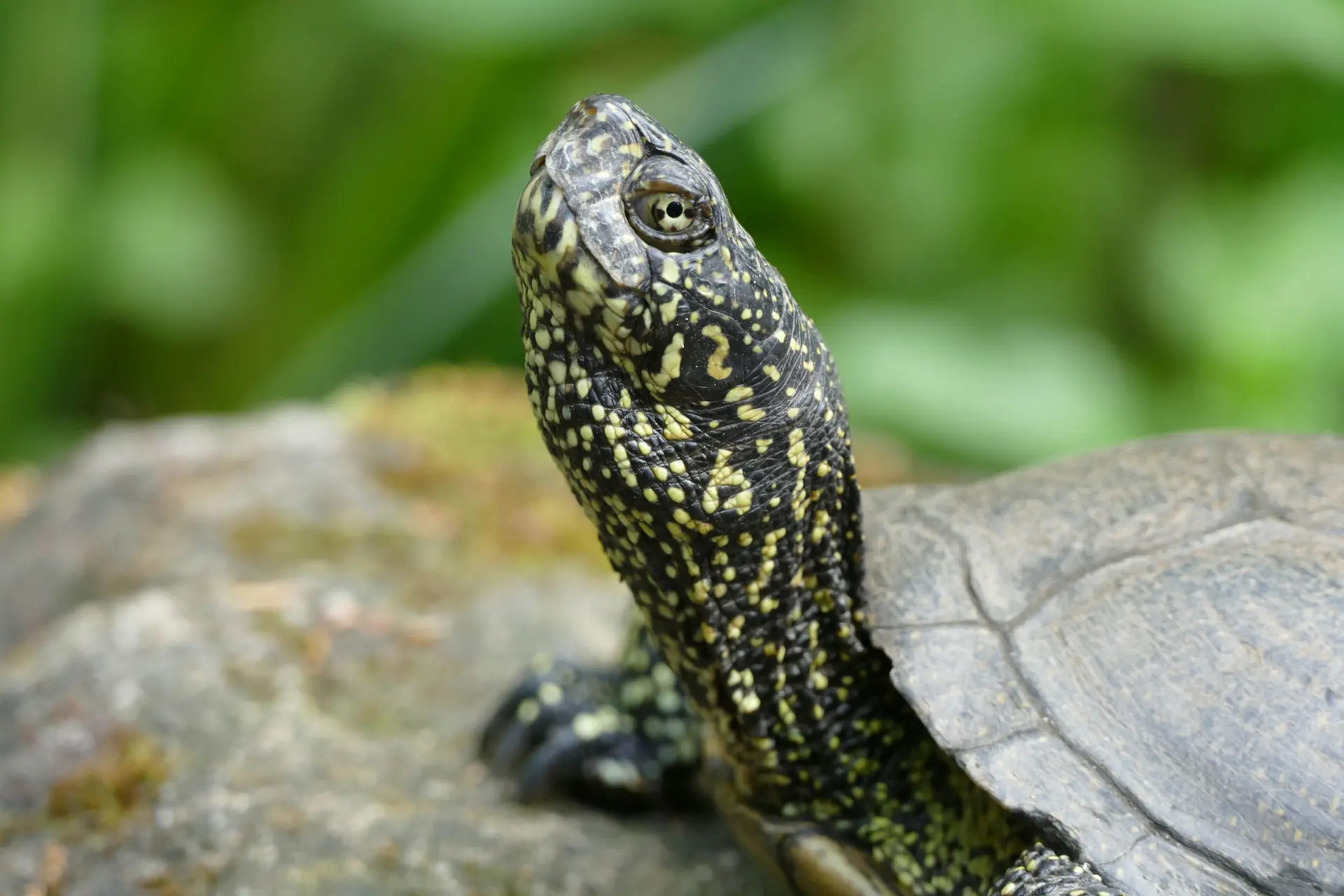

European pond turtle
(Emys orbicularis)
EEP Coordinator: Anthony Kohler, Parc Animalier de Sainte-Croix
EEP page - European pond turtle
Coordinators and Partners






What are the EEP roles?

| Source |
| Insurance population |
| Research |
| Conservation education |
| Fundraising |
| Source for projects that aim to re-establish the species in parts of its former range from which it has been extirpated, or to reinforce remaining populations. This role implies providing disease-free, behaviourally competent and genetically suitable individuals for release into the wild. Of course, it must be ensured that any reintroductions are done according to the IUCN Reintroduction Guidelines and that releases should not cause hybridisation in the wild. |
| This role contemplates the possibility to maintain a long-term ex situ population to preserve options for the future. The EEP population is managed to provide individuals for reinforcement of remaining populations (demographically and/or genetically) or to create new populations. |
| There is need for conducting ex situ research and supporting in situ research, with a focus on certain aspects of the biology that can help reintroduction and conservation projects. |
| Education with focus on raising awareness on turtle conservation is important in range countries. People need to be informed about the threat of releasing exotic species for the autochthonous fauna. |
| Zoos can raise funds for supporting in situ conservation and research in situ. |

| Rescue |
| Zoos play a role in the rescue of confiscated and abandoned animals. This has not only a welfare and educational role, but selected animals can contribute to the gene pool of the breeding population. |
EEP in numbers
In June 2023 the European pond turtle EEP included:
- 1726 animals
- in 102 institutions.


Programme highlights
- The EAZA Reptile TAG has a closed facebook group for keepers and animal care taking staff.