
Resources - Animal welfare
Find here everything you need to understand animal welfare better and develop your own institutional welfare assessment programme.
Animal welfare resources
Animal Welfare Assessments
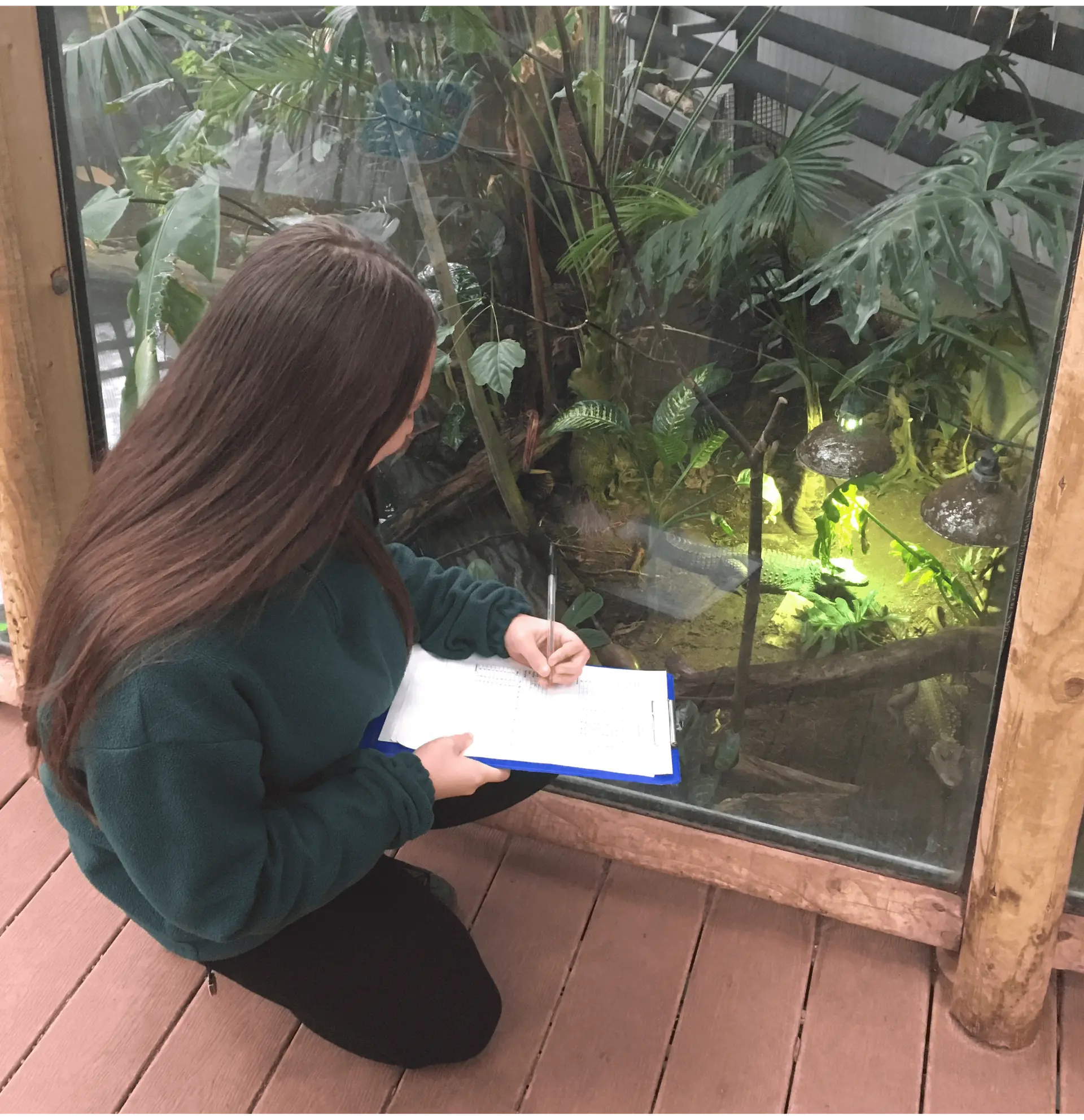
The ability to assess animal welfare within our zoo and aquarium collections is a very valuable tool. Periodic assessment will not only provide understanding of the current state of welfare for the animals in our care, but it will also allow for monitoring of welfare changes and identify areas for welfare improvement.
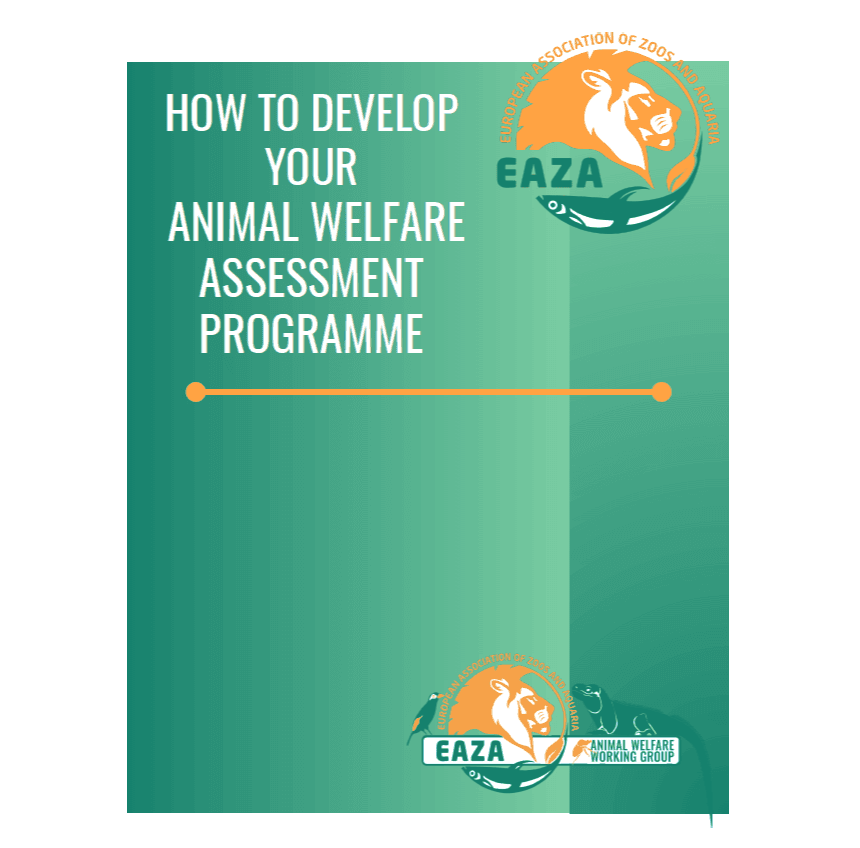
To help support our Members to fulfil EAZA Standards, the EAZA Executive Office and the EAZA Animal Welfare Working Group (AWWG) have created a guide on how to develop your own institutional welfare assessment programme.
We encourage you to read this guide (English) and believe this will be a helpful resource to your zoo / aquarium to move forward the aim of excellent welfare for all animals in EAZA Members.
Русский Russian Translation
Polski Polish Translation
Library
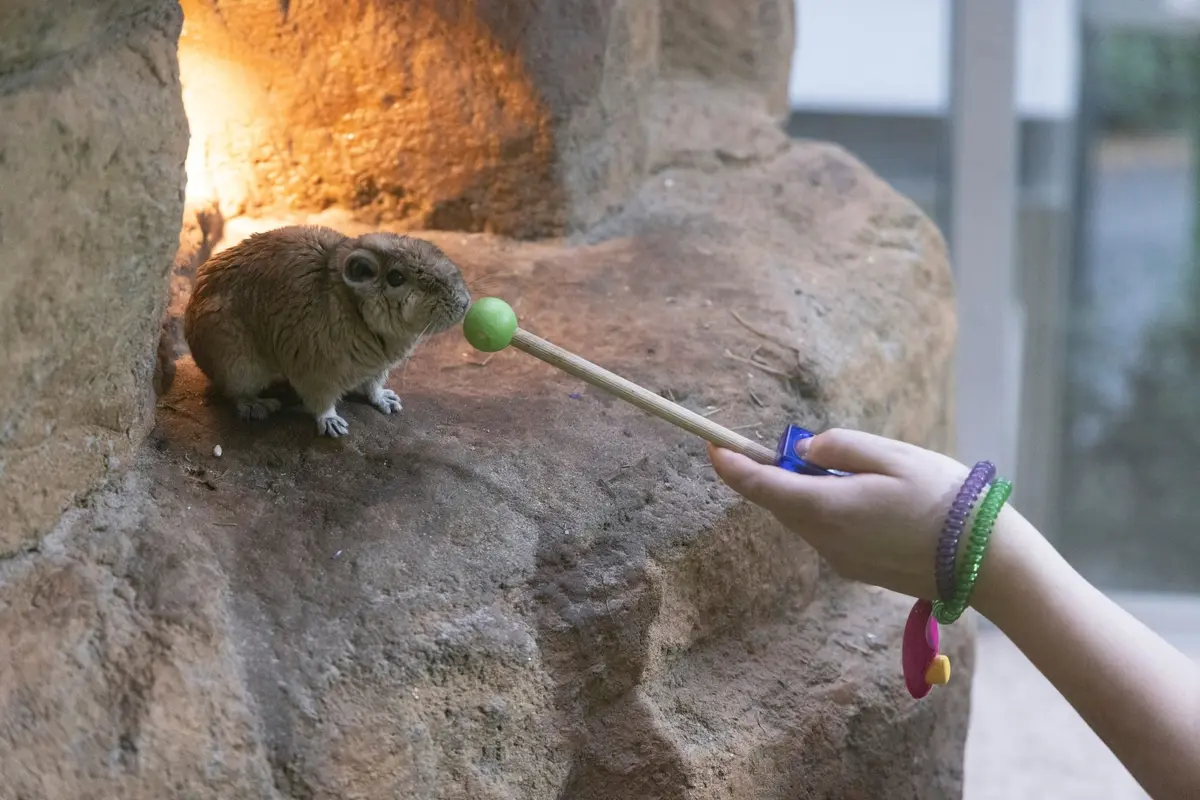
The EAZA Animal Welfare Assessments Library is a collection of previously established animal welfare assessments / auditing tools that have been kindly shared from researchers and animal management institutions.
The established assessments all take slightly different approaches to welfare monitoring and therefore this gives the opportunity to align your organisations needs with the appropriate pre-established assessments. A decision-making tool has been provided for the full library by the EAZA Animal Welfare Working Group in order to support Members in selecting the most appropriate assessment for their needs.
A number of institutions have offered to share their welfare assessment tools publicly. Please see below the welfare assessment library for public use. It will continue to grow with more institutions offering their assessments and more translations of the current assessments being submitted.
- AnimalConcepts
- Detroit Zoological Society (Russian (Русский) translation)
- Zoos Victoria (plus EAZA Animal Welfare Forum 2020 webinar: welfare risk assessment tool)
BIAZA Animal Welfare Toolkit:
- Animal Welfare Toolkit (English)
- BIAZA Animal Welfare Toolkit (Russian (Русский) translation)
- BIAZA Animal Welfare Assessment form (Russian (Русский) translation)
Wildlife Reserves Singapore:
Zoological Society of London:
- ZSL Welfare audit template
- ZSL Animal Welfare Assessment forms (Russian translations):
Wild Planet Trust:
- (English) Animal Welfare Assessment
- Magyar Hungarian translation
- Deutsch German translation
- Français French translation
- Nederlands Dutch translation
- Čeština Czech translation
- Dansk Danish translation
- Español Spanish translation
- Português Portuguese translation
- Română Romanian translation
- yкраїнська Ukrainian translation
- Русский Russian translation
- عربي Arabic translation 1 and عربي translation 2
- 中国人 Chinese translation
- Tiếng Việt Vietnamese translation
- svenska Swedish translation
- norsk Norwegian translation
- 한국인 Korean translation
Special thanks
EAZA would like to thank the following people for sharing their time and expertise with translations:
- Xavier Manteca Vilanova, Autonomous University of Barcelona, Spain
- Caterina Spiezio, Parco Natura Viva, Italy
- Godelieve Kranendonk, APP Rescue Centre, the Netherlands
- Annette Pedersen, Copenhagen Zoo, Denmark
- Sami Khader, Qalqilia Zoo, Palestine
- Dana Canari, Brasov Zoo, Romania
- Csaba Harsányi, Sóstó Zoo, Hungary
- Josef Kindl, Kosice Zoo, Slovakia
- Valeria Skliarova, Kaliningrad Zoo, Russia
- Bùi Gia Linh, Hoàng Thị Tỉnh, Thân Thị Trang, Animals Asia
- Wang Chun Mei, Xie Meng Qi, Animals Asia
- Julia Vakulenko, Kyiv Zoological Gardens, Ukraine
- Nora Hausen, EAZA Executive Office
- Marie Corlay, EAZA Executive Office
- Catarina Rosa, Lisbon Zoo, Portugal
- João Pedro Gomes Meireles, Independent
- Shawn Peng, Taipei Zoo, Taiwan
- Annie Grannas, Orsa Rovdjurspark, Sweden
- Elina Lundholm, Furuviksparken, Sweden
- Irene Beyer, Bjorneparken, Norway
- Hyunjoo Jang, Seoul Zoo, South-Korea
- Karolina Mól-Woźniak, Zoo Wrocław, Poland





Welfare from other regions
Are you interested in the welfare strategies and policies of colleagues in the United States, Australasia and more?